Basement Flooding Cleanup in Erie, CO
A flooded basement in Erie is usually a finished one: carpet, pad, drywall and stored boxes. The restoration team extracts the water, removes what cannot be dried and dries the slab and walls to a measured goal, 24/7.
(888) 532-8620Clear the water off the lower level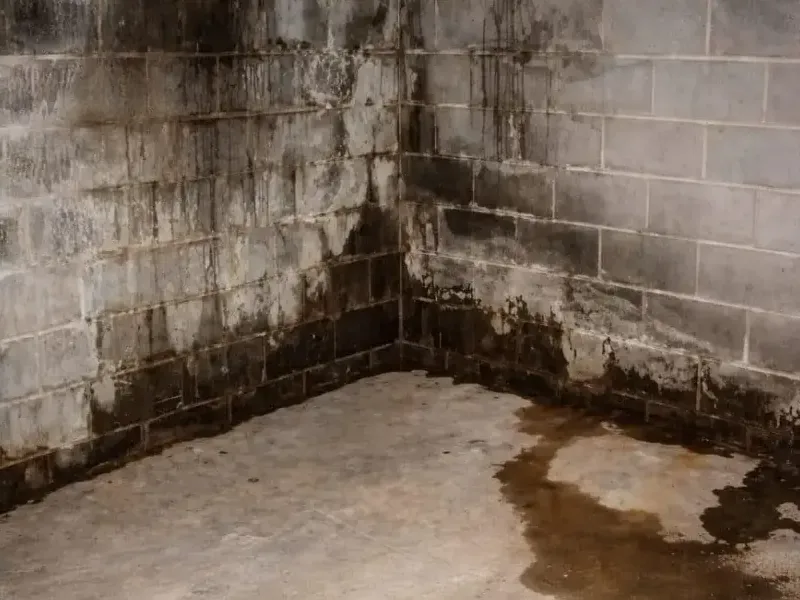
First steps for basement flooding cleanup
- Stay out of deep water.Do not walk into a flooded basement if outlets or cords are under water.
- Cut the power.Switch off the basement breakers, but only from a dry spot.
- Find the source.Note whether water came from a wall, a window well, a drain or the sump pit.
- Photograph the level.Record every wet room and item before cleanup starts.
How basement flooding cleanup is handled, step by step
- 1
Find the source
The entry point sets the water category.
- 2
Extract
Standing water comes off the slab and carpet.
- 3
Remove and clean
Wet pad and lower drywall come out as needed.
- 4
Dry and verify
Readings run daily until the level is dry.
What does basement flooding cleanup cost in Erie, CO?
Basement flooding cleanup here typically runs $1,500 to $12,000. A Category 3 flood through a finished basement can reach $9,000 to $25,000 or more, depending on the water category, the square footage, the material class and how fast drying started.
Unfinished basement, clean water
- Extraction from the slab
- Cleaning of block walls
- Dehumidified drying
Finished basement
- Carpet and pad extraction or removal
- Flood cuts on wet drywall
- LGR drying and daily readings
Category 3 basement flood
- Outside runoff or sewage
- Porous materials removed
- Antimicrobial treatment and containment
Ranges are typical, not a quote: the category of water, the square footage, the material class and how fast drying started move the number most. Run the water damage cost calculator for a closer planning range.
How water gets into Erie basements
A basement collects water from every direction: groundwater through the slab and walls, storm water through window wells, a sump that cannot keep up and leaks from the floors above. Cleanup starts by finding which one it was, because the source decides the category of water and what has to come out.
Hard summer storms are the classic cause. During one flash flood warning, county emergency managers reported 9 to 12 inches of standing water across the parkway and basements taking water. Swelling clay soil, seepage through block walls and old mine ground that can crack foundations add slower paths for water to reach the lower level.
- Window wells: fill with runoff and spill through the glass or the frame.
- Floor drains: back up when the sewer or storm system is overloaded.
- Walls and slab: seep when the soil around the foundation stays saturated.
What comes out and what stays
Clean water on carpet can often be extracted and dried in place if work starts early. Runoff from outside is treated as Category 3, so carpet, pad and drywall below the waterline are removed. Studs, the slab and block walls are cleaned and dried rather than torn out.
Drying a lower level properly
Basements dry slower than upper floors because concrete holds water and the air is cooler. The drying team closes the space, runs LGR dehumidifiers and checks readings daily in the slab, the bottom plates and the walls until they match a dry reference.
Further reading: FloodSmart, the National Flood Insurance Program and Ready.gov flood safety.
Basement flooding cleanup across Erie and nearby towns
Nearby coverage reaches Lafayette, Frederick, Broomfield, Louisville, Longmont, Dacono, Firestone and Superior.
The restoration team covers ZIP 80516, from the older houses of Old Town around Briggs Street out along County Line Road to the newer subdivisions between Highway 7, Highway 52 and the I-25 frontage.
Related water damage services
Basement Flooding Cleanup questions in Erie
Is basement flooding cleanup an emergency?
Yes, when water is still on the floor. It wicks into drywall and framing within hours, and the longer it sits the more has to be removed. The response team dispatches 24/7.
Can a finished basement carpet be saved?
Sometimes. Carpet soaked with clean water can be extracted and dried if work starts early. Carpet and pad touched by outside flood water or sewage are removed.
Why does the drywall have to be cut?
Drywall that wicked up contaminated water, or stayed wet too long, is cut above the waterline so the cavity and framing behind it can dry and be cleaned.
How long does a basement take to dry?
Most finished basements dry in four to six days. Concrete slabs and block walls can take longer, and equipment stays until readings confirm the goal.
Does homeowners insurance cover basement flooding?
It depends on the cause and your policy. Surface water from outside usually falls under flood coverage, and sump or sewer backup often needs an endorsement. Check your policy early.
What should go in the claim file?
The moisture map, daily readings, timestamped photos before removal, the category and class of the loss and a line-item scope of the work.
Water across the basement floor?
Carpet, pad and lower drywall soak it up fast. The restoration team extracts it, removes what cannot be dried and dries the level, 24/7.
(888) 532-8620Start the basement extraction tonight