Water Damage Restoration Lafayette, CO
A supply line that failed in an older Old Town house, runoff at a doorway after a hard storm or water dripping from the apartment above: crews extract it, dry the building to the IICRC S500 standard and log every reading.
(888) 532-8620Bring extraction gear to the wet roomsActive water is handled as urgent at any hour, and each drying plan begins with a room-by-room moisture map.
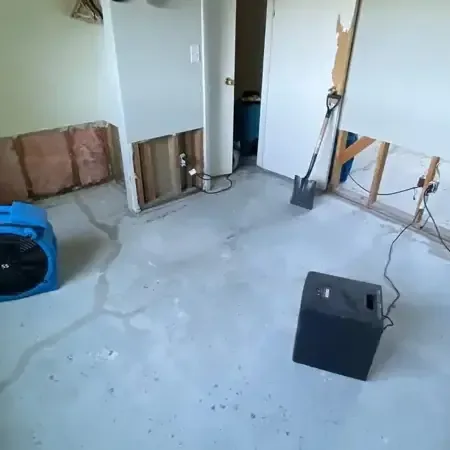
What to do while water is still spreading through the house
- 1Close the main valve. Shut the main water valve or the fixture shutoff as soon as you see water moving.
- 2Switch off wet circuits. Turn off breakers that feed wet rooms, but only from a dry spot.
- 3Check the unit below. In a stacked building, tell the neighbor or manager so the space under you is checked.
- 4Take photos first. Record each wet room and item before anything is moved or thrown away.
- 5Call before it soaks in. Drywall wicks and flooring swells within hours, so the sooner the pumps start the better.
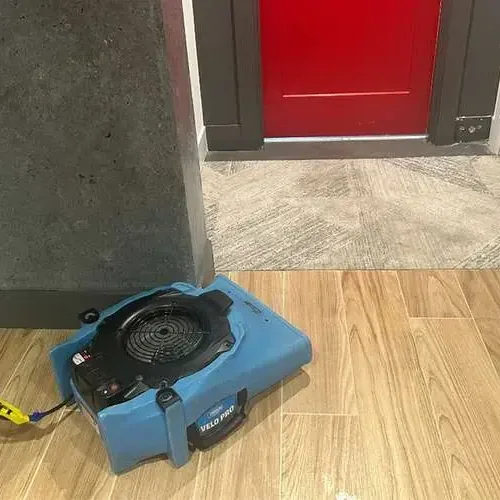
24/7 water damage restoration for Lafayette homes and businesses
Water follows framing, flooring and wall cavities long after the surface looks fine. The extraction crew removes it, maps what absorbed it and dries the structure itself, not just the carpet.
See how each drying job is runWater Damage Restoration Services in Lafayette, CO
A dozen water services, from emergency pump-outs and storm runoff to split pipes and drain backups, each planned from a moisture map and dried to a measured target.
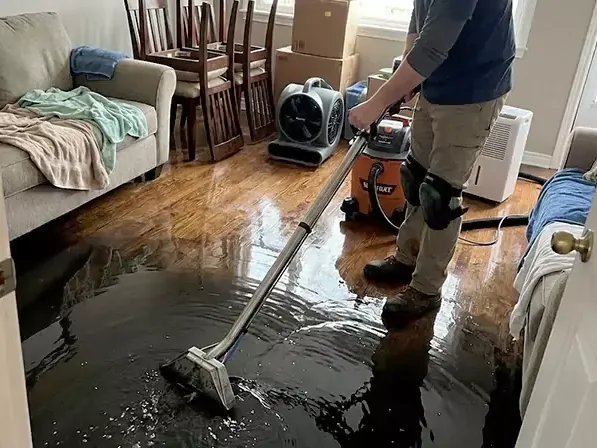 Water Extraction and RemovalTruck-mounted units pull standing water out quickly, before flooring, pad and drywall absorb more of it.See this service
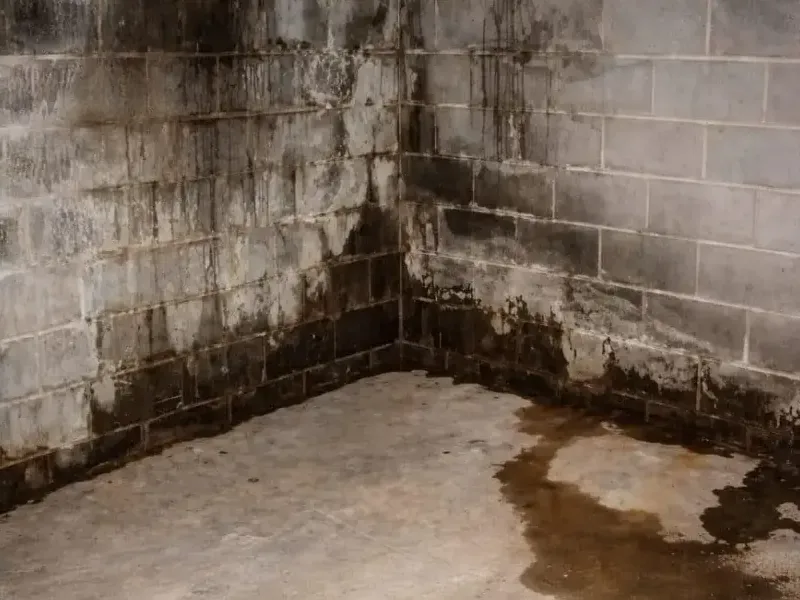 Basement Flooding CleanupBelow-grade rooms cleared of water, soaked carpet and pad removed, and walls and floors dried.See this service
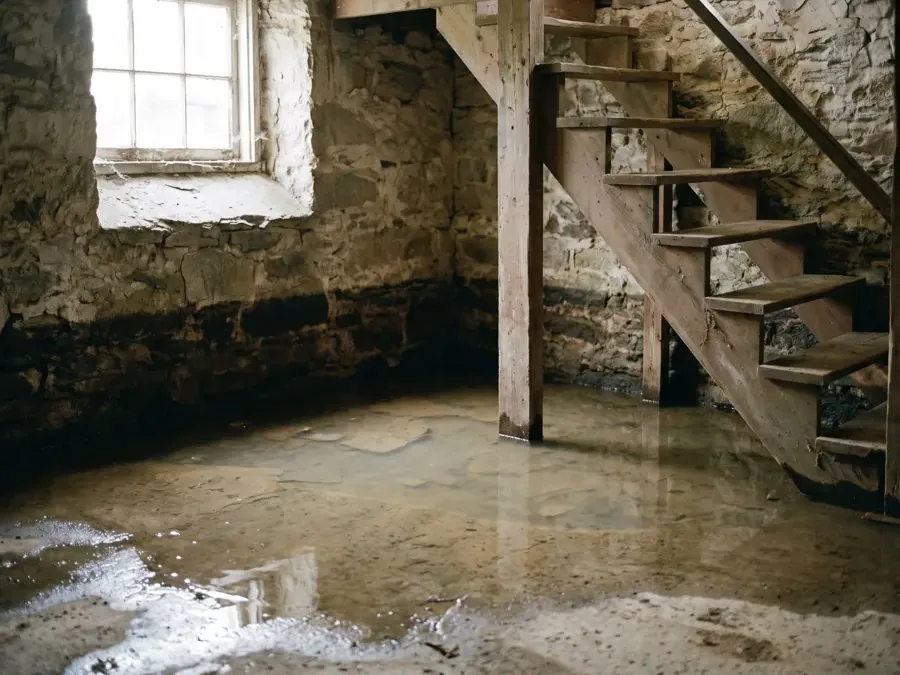 Sump Pump Failure CleanupWhen a sump pit overflows during a storm or an outage, crews extract the water and dry what it touched.See this service
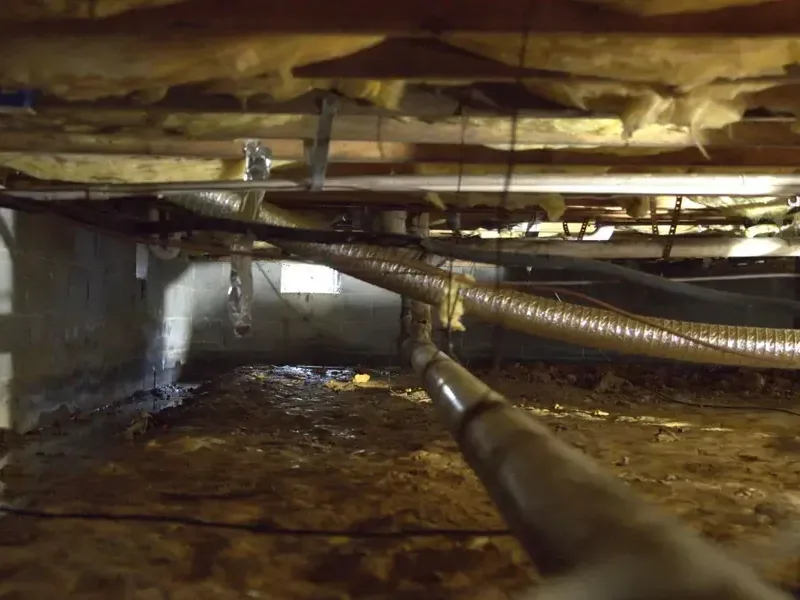 Frozen Pipe Water DamageLines that freeze in attics, garages or exterior walls are traced, opened where wet and dried.See this service
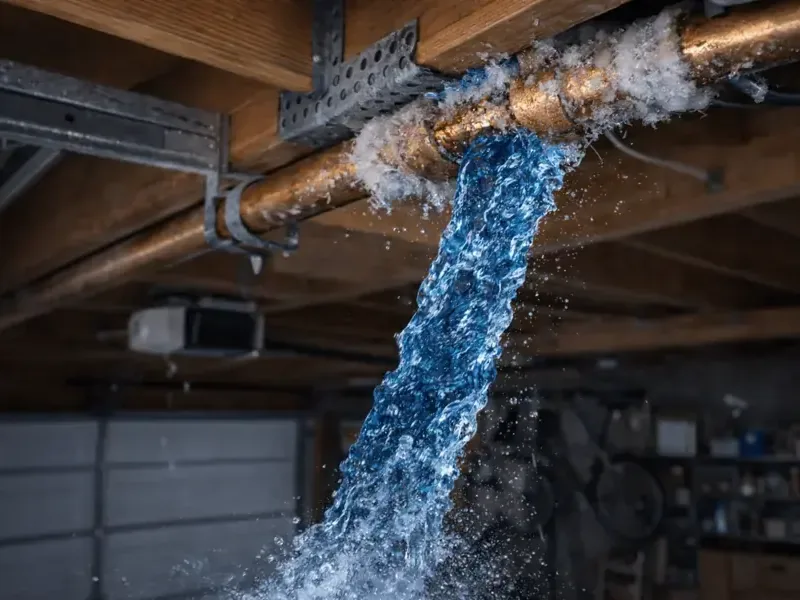 Burst Pipe Water DamageSplit fittings and joints behind walls and above ceilings, pumped out and dried before the water travels.See this service
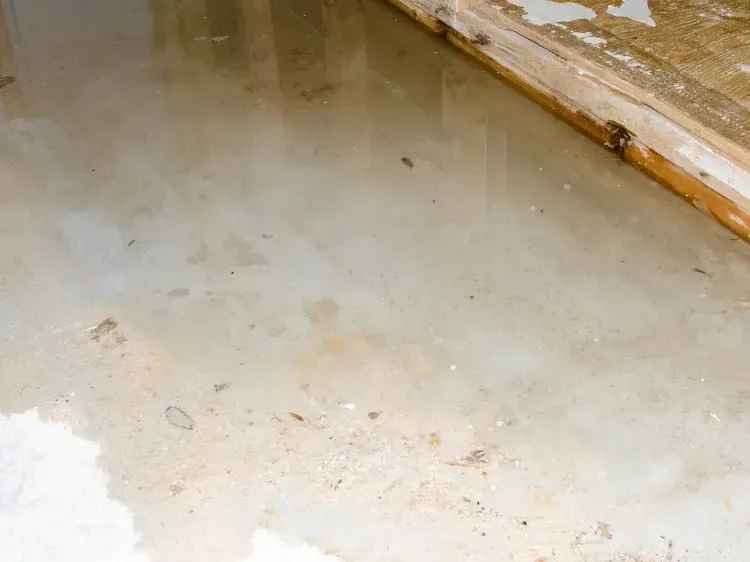 Flash Flood CleanupCloudburst runoff and creek overflow treated as contaminated water, then removed, cleaned and dried.See this service
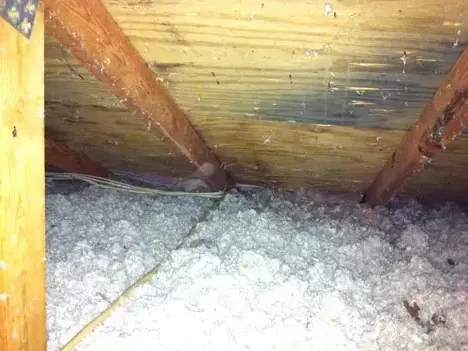 Hail and Roof Leak Water DamageRoof and flashing leaks traced from the attic down, soaked insulation pulled, ceilings dried.See this service
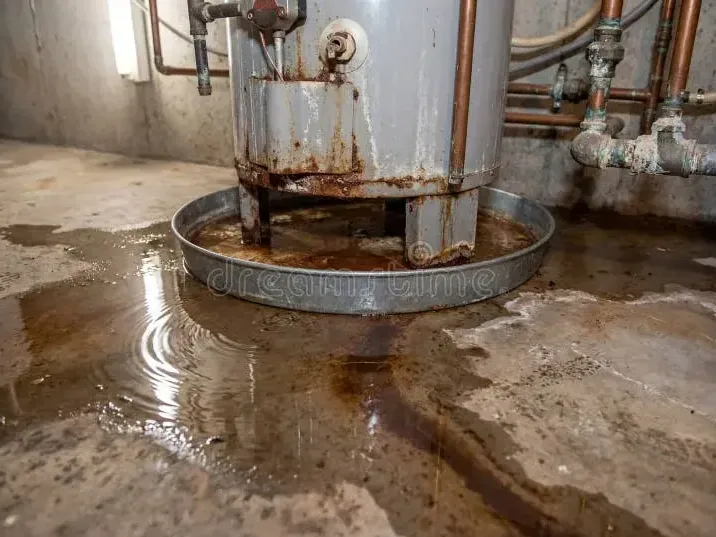 Water Heater Leak CleanupTank and fitting failures extracted before water runs under walls, cabinets and stored items.See this service
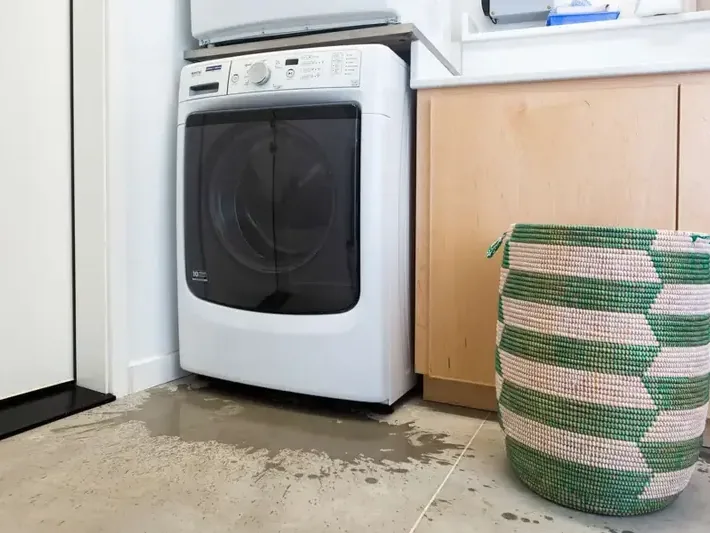 Appliance and Supply Line LeaksFailed washer hoses, dishwasher lines, ice maker tubes and toilet supplies dried out of floors, cabinets and the space below.See this service
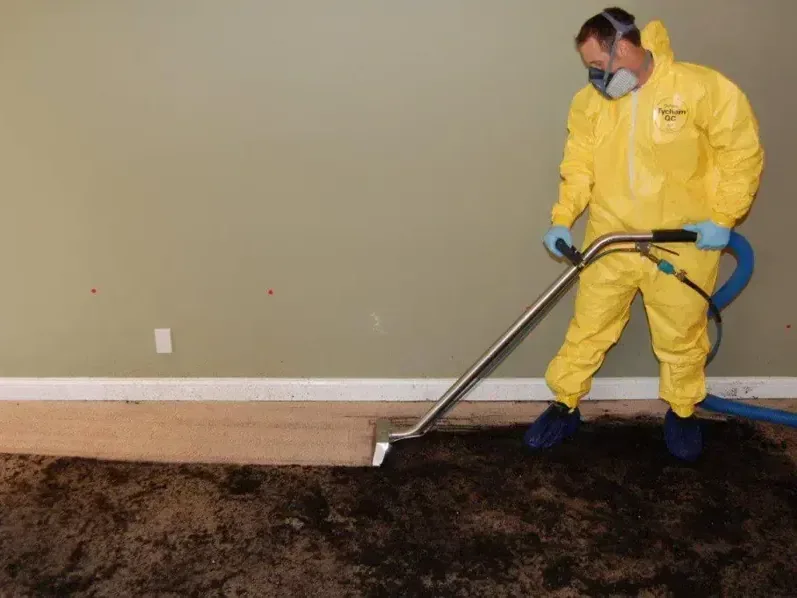 Sewage Backup CleanupDrain and toilet backups treated as Category 3, with soaked porous materials hauled out.See this service
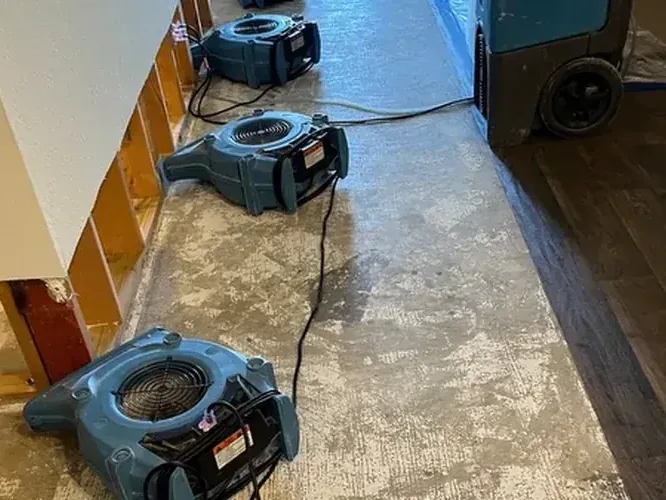 Structural Drying and DehumidificationStuds, subfloor and slab dried until they read like an unaffected material nearby.See this service
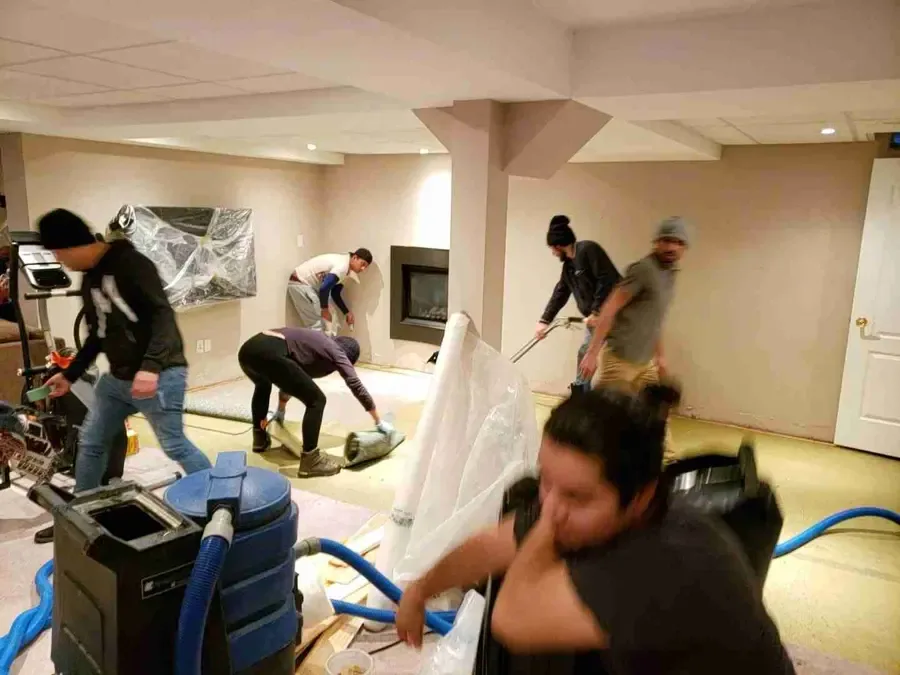 Commercial Water DamageOffices, clinics and retail spaces dried in phases so work can continue.See this service
Structural drying held to the IICRC S500 standard
The S500 standard from the IICRC guides every step here, from the opening meter reading to the closing one. Fans and dehumidifiers leave the site when the numbers confirm dry, not when a floor simply feels dry to the touch.
- 1
Map the moisture
Meters and an infrared camera find the water hiding behind walls, under floors and above ceilings before any equipment is set.
- 2
Extract the water
Truck-mounted units pull the standing water out of the building so it cannot drift into the next room.
- 3
Dry the structure
Fans are matched to each room's evaporation load while LGR dehumidifiers run with doors and windows closed.
- 4
Verify and record
Each day's readings go in the log, and the gear leaves once wet materials match a dry reference within 2 to 4 points.
The equipment a measured dry-out runs on
- Truck-mounted extraction units and portable extractors
- LGR dehumidifiers, with desiccants for dense Class 4 materials
- Air movers set to each room's evaporation load
- Thermal imaging cameras and pinless moisture meters
What a complete dry-out covers, from the first reading to the last
Urgent dispatch at any hour
The response team sends crews around the clock and handles active water as urgent on nights, weekends and holidays.
IICRC S500 structural drying
Crews classify the loss by category and class first, then size fans and LGR dehumidifiers to the actual moisture load.
A claim record built on site
Moisture maps, daily psychrometric logs and dated photos from before any tear-out give the adjuster the full story.
Older homes and stacked units
Pre-1950 Old Town houses, 1970 to 2000 subdivisions and apartment buildings each fail in their own way, and crews plan for it.
What does water damage restoration cost in Lafayette, CO?
Expect roughly $1,200 to $9,000 for a typical home water loss in town. When sewage or creek runoff soaks several rooms, the bill can climb to $8,000 to $20,000 or more. Four inputs drive it: water category, wet square footage, material class and how soon drying began.
One-room leak
- A single room or small area
- Water removal plus two or three drying days
- Moisture checked every day
Several rooms or a full floor
- Pad, carpet and low drywall pulled
- A whole floor or several rooms
- Several LGR units and fans
Sewage or outside runoff
- Sewage or creek runoff
- Soaked porous materials hauled out and treated
- Sealed work zone and protective suits
These are planning ranges, never a quote. Extraction, tear-out and drying are billed apart from any rebuild. The water damage cost calculator narrows the range for a given room.
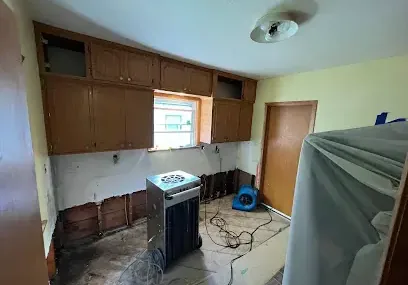
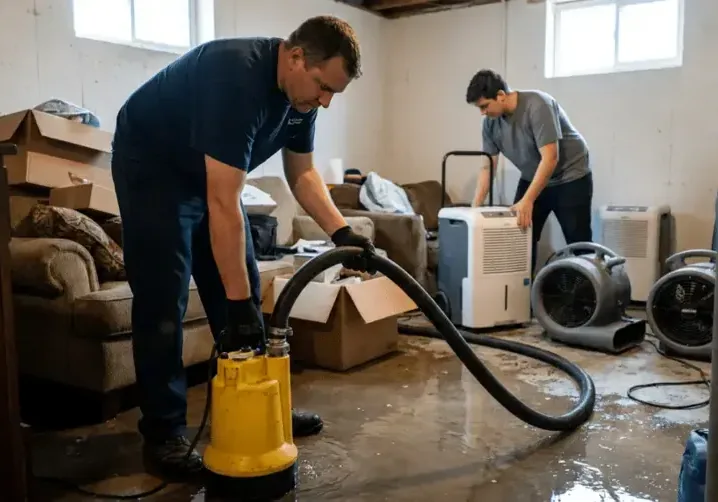
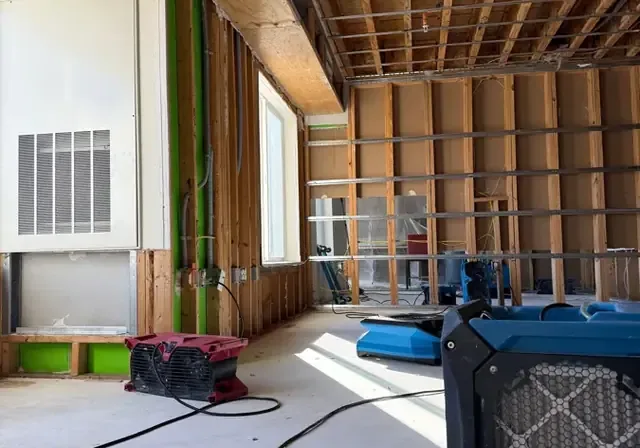
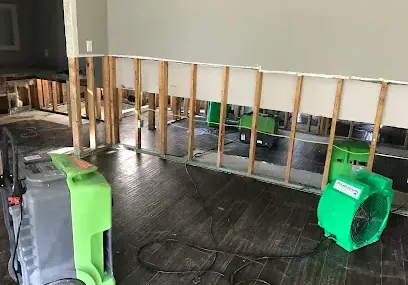
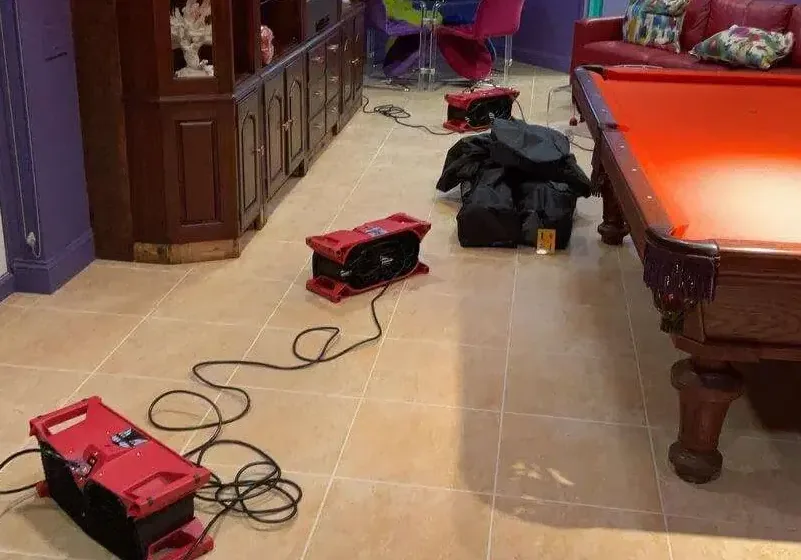
What water removal and structural drying look like in a home
Documentation prepared for your insurance claim
A water claim turns on the record. The restoration team builds that record during the work, so the adjuster can see what was wet and how it was dried.
Read your own policy
A pipe that bursts without warning is usually viewed differently from water that pours in from the yard or street, and that outside water generally needs a flood policy.
Boulder-area floodplain guidance says more than 25 percent of flood insurance claims come from owners outside the 100-year floodplain, so it is worth checking coverage early.
- A moisture map from the first walkthrough
- Daily psychrometric readings and drying logs
- Timestamped photos taken before any removal
- The category and class of the loss
- An itemized scope written the way adjusters read it
Water damage restoration across Lafayette and nearby Boulder County towns
Neighborhoods and corridors
Nearby towns
One call sends a 24/7 water crew across town
Local restoration pros cover Old Town around Public Road, the neighborhoods along US Highway 287 and Baseline Road and the streets near South Boulder Road.
Give the nearest cross street and name the wet rooms; that tells the crew which machines to load.
(888) 532-8620Put a water crew on the road to you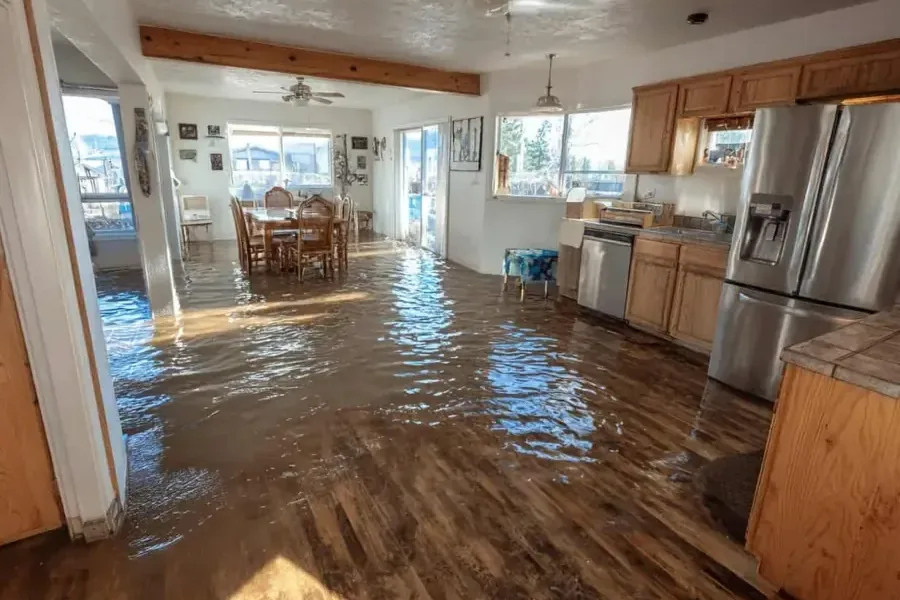
Water damage in Lafayette, CO: the local risk profile
A coal-mining town founded in 1888 grew into a full-service city of 30,411 people at the 2020 Census, and its mix of Old Town houses, subdivisions and creek corridors shapes most water losses here.
- Old Town drainage. City Public Works has said the Old Town area faces particular stormwater runoff and drainage issues, and more than 600 homes in the city date to before 1950, including dozens around Public Road.
- Creek corridors. Coal Creek and Rock Creek both run through city open space corridors, and in the September 2013 Front Range floods Coal Creek rose well above flood stage.
- Outside the floodplain. Boulder-area floodplain guidance says more than 25 percent of flood insurance claims come from owners outside the 100-year floodplain.
- Freeze spots. Front Range city guidance names unheated attics, garages, kitchen cabinets and poorly insulated exterior walls as the places pipes freeze most often.
- Stacked buildings. Around 70 percent of homes were built between 1970 and 2000, and apartment buildings of 5 to over 40 units mean one leak can reach the unit below.
Clean, gray and black water, and how each one is handled
Category 1, clean water
Supply water from a split line, a failed fitting or an overfilled tub. Removing it quickly keeps it from collecting contamination from floors and wall cavities.
Burst pipe water damageCategory 2, gray water
Discharge from a washer or dishwasher, or clean water left standing too long. Affected materials are cleaned when they can be and replaced when they cannot.
Appliance and supply line leaksCategory 3, black water
Drain backups and runoff from outdoors. These count as Category 3 right away, so porous materials under the waterline are removed rather than dried.
Sewage backup cleanupLafayette water damage questions, answered clearly
How quickly does a water crew arrive?
Crews roll out around the clock, holidays included, and any active leak gets top priority. The truck carries pumps, extractors and drying gear, so removal can begin as soon as the walkthrough tech finishes the moisture map.
Does a homeowners policy cover a water loss?
It hinges on the cause and the wording of your policy. A pipe that suddenly splits is frequently covered; water flowing in from outside usually needs a separate flood policy, and a drain backup may need its own rider. Every reading and photo goes into a record your insurer can read.
Why does Old Town see so much runoff?
City Public Works has said the Old Town area faces particular stormwater runoff and drainage issues. When a heavy storm outruns the drainage, water can reach doors and low entries, and older houses there date to before 1950.
How many days does the drying run?
A contained leak typically dries in three to five days. Concrete, hardwood and plaster hold water longer and stretch that out. Meters are read every morning, and the fans and dehumidifiers stay until the wet areas match a dry reference within 2 to 4 points.
What does IICRC S500 mean for a house?
It is the published restoration standard used across the trade. It spells out how the walkthrough is done, how water is sorted into categories and classes, how equipment is placed and how dryness is proven with meter readings rather than touch.
What should happen in the first sixty minutes?
Shut the water at the main, kill breakers feeding the wet rooms when the panel is dry, carry valuables and electronics to a dry room and take photos of each wet space. Calling early lets extraction start before water climbs the drywall.
Can soaked drywall stay, or does it have to go?
Panels wet only with clean supply water are often saved when extraction starts fast. Panels reached by sewage or outside runoff, or that have softened and swelled, are cut above the high-water mark and replaced after drying.
What makes sewage cleanup different?
Anything from a drain backup counts as Category 3 the moment it appears. Technicians suit up, seal the area, pull porous materials beneath the waterline and leave an EPA-registered antimicrobial on surfaces for its full label dwell time, and only then start drying.
What sets the price of a water job?
Four inputs: the category of water, the wet square footage, the material class and how soon drying began. Equipment days and tear-out make up most of the bill. Try the cost calculator for a rough planning number.
Why move fast on a leak?
Damp building materials can start growing mold inside 24 to 48 hours. Prompt extraction and steady dehumidification keep them under that line and shrink how much has to be torn out.
Water in your home or building? Start the drying tonight.
Pump-outs, structural drying and a complete claim record, any hour, from Old Town to South Boulder Road.
(888) 532-8620Begin the water removal at your address