Longmont Water Damage Restoration
Burst pipes, stalled sump pumps, storm runoff and sewer backups all call for the same fast start. Standing water comes out first, then structural drying returns wet walls and floors to a safe moisture level.
(888) 532-8620Ask for a moisture walkthroughWritten estimates follow a walkthrough of the loss, and moisture readings and photos are kept for the insurance claim file.
What to do right after water gets in
- 1Stop the source Close the shutoff valve for a pipe or appliance, and stay clear of outlets near standing water.
- 2Mind the power Turn off power to wet rooms if it is safe, and keep cords out of standing water.
- 3Photograph everything Take photos and short video of the water, the affected rooms and damaged belongings before anything is moved.
- 4Report city water problems Main breaks, no water service and sewer backups go to the city's water utilities on weekdays, or dispatch after hours.
- 5Call for extraction Call now, any hour, so extraction and drying can begin before wet materials spread the damage.
A restoration crew built around water and sewage
The crew handles water and sewage losses only, so extraction gear, meters and drying equipment stay ready for the next job instead of being split across other restoration trades.
Book a meter reading visitWater damage services for local homes and businesses
Each service below covers a different cause of water damage, from a split pipe to a sewer backup, and each links to a page with steps and price ranges.
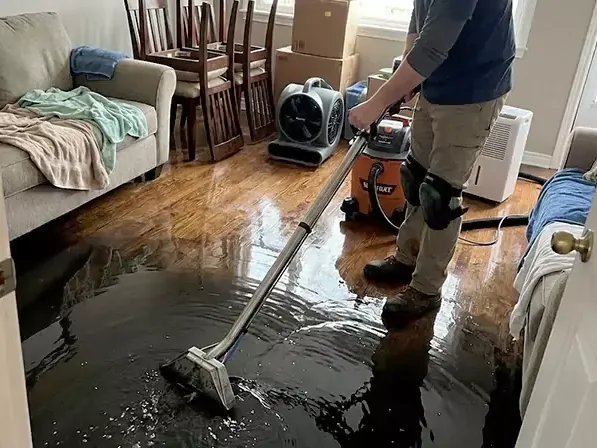 Water Extraction and RemovalPumps and extraction wands pull standing water first, then wet carpet and pad are sorted for drying.See this service
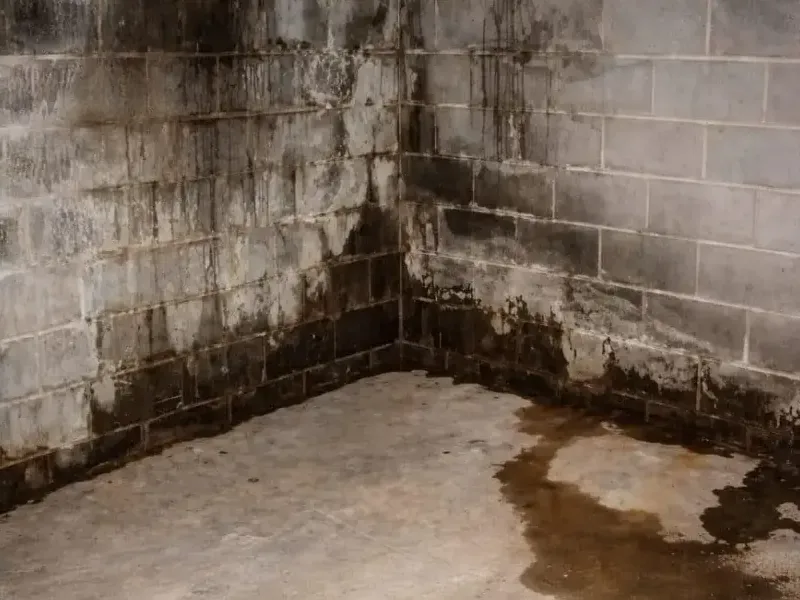 Basement Flooding CleanupFlooded lower levels are pumped out, stripped of wet materials and dried to target meter readings.See this service
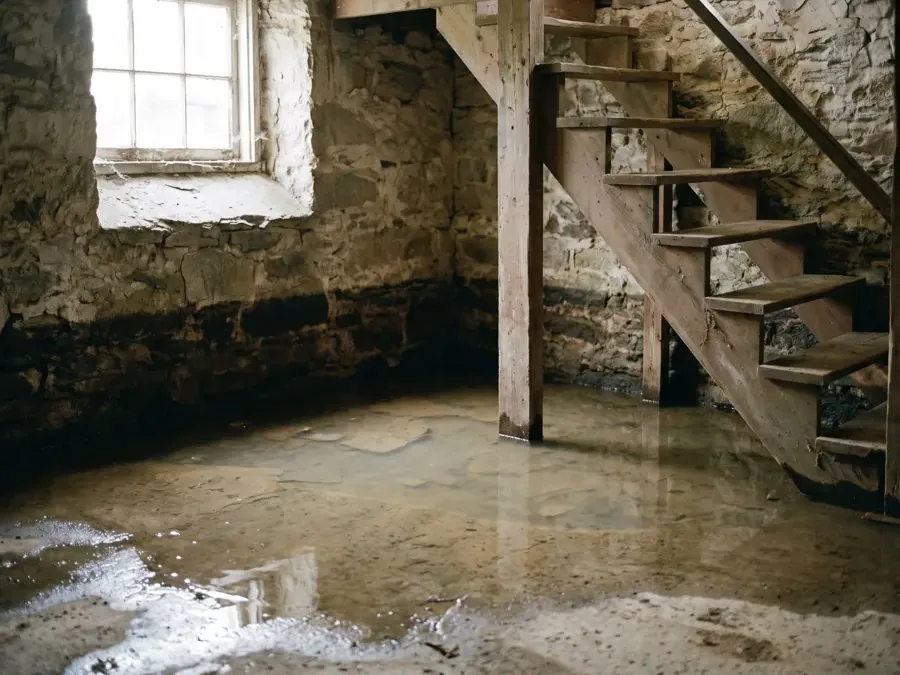 Sump Pump Failure CleanupStalled or overwhelmed pumps let water in, and cleanup follows it from the pit to every wet wall.See this service
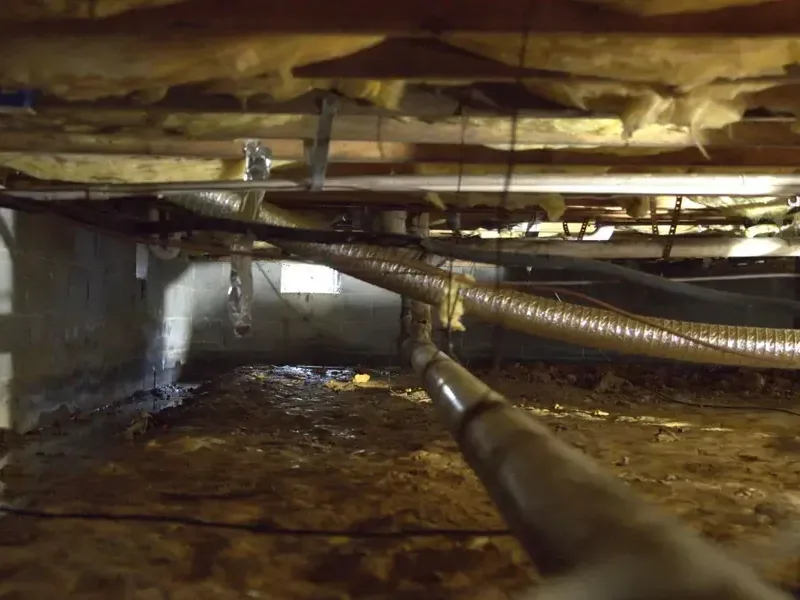 Frozen Pipe Water DamagePipes that split in a cold snap flood walls and ceilings once the thaw starts.See this service
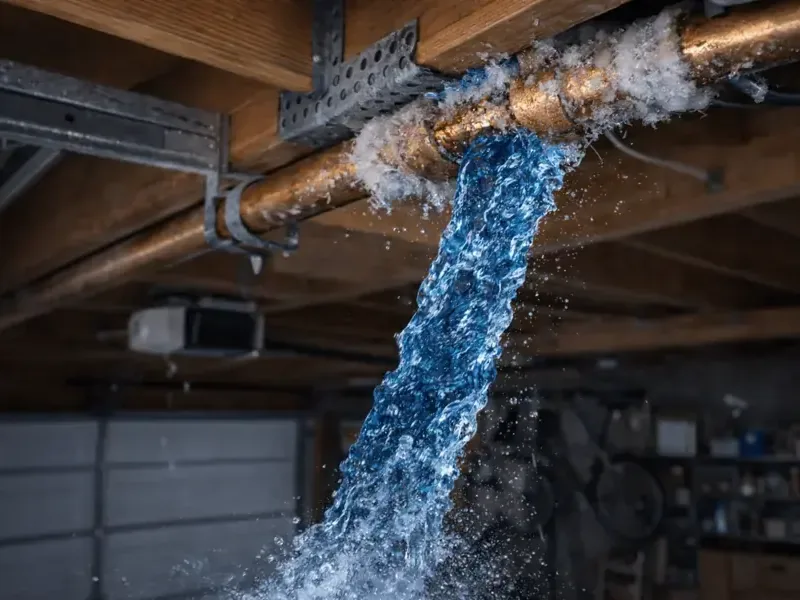 Burst Pipe Water DamageA burst pipe inside a building floods floors and ceilings quickly, so extraction and drying come next.See this service
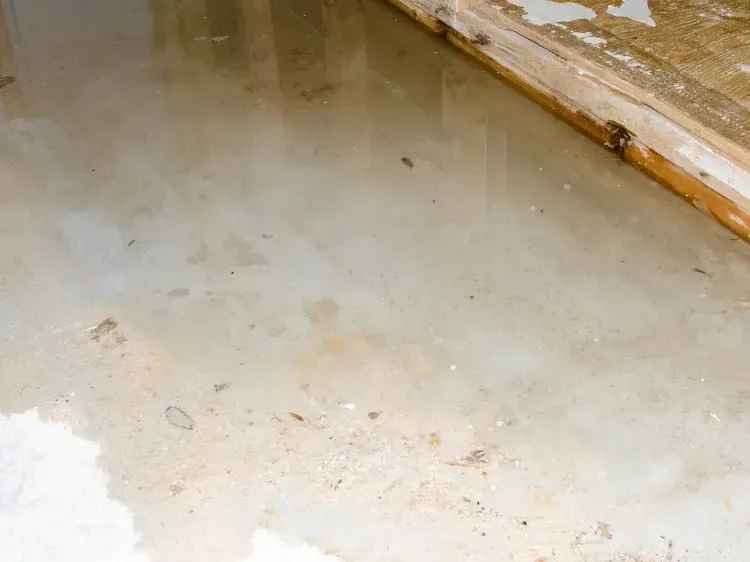 Flash Flood CleanupStorm runoff carries silt and contaminated water indoors, so extraction, removal and thorough drying come first.See this service
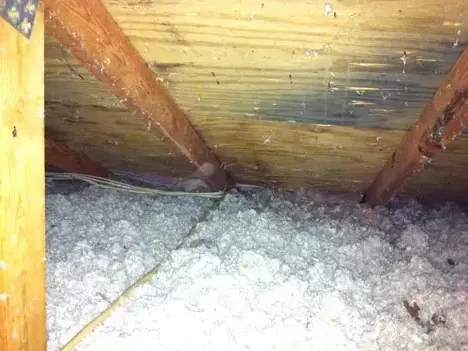 Hail and Roof Leak Water DamageRoof leaks from heavy storms are traced through the attic, and wet insulation, ceilings and walls below are dried.See this service
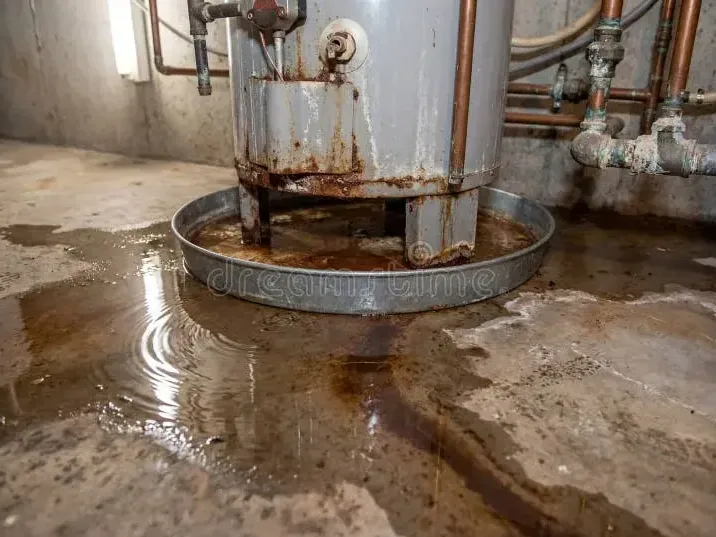 Water Heater Leak CleanupA leaking water heater floods the area around it, then wet flooring and walls are dried.See this service
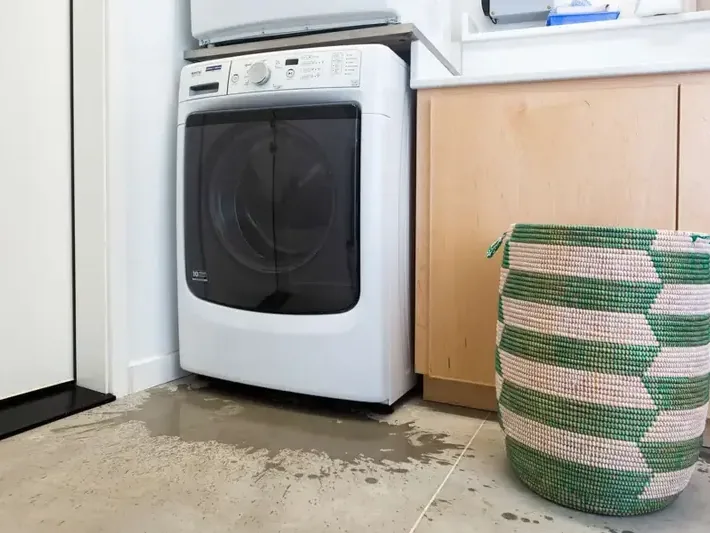 Appliance and Supply Line LeaksWasher, dishwasher and refrigerator leaks soak floors and cabinets quietly, so moisture mapping finds the wet spots.See this service
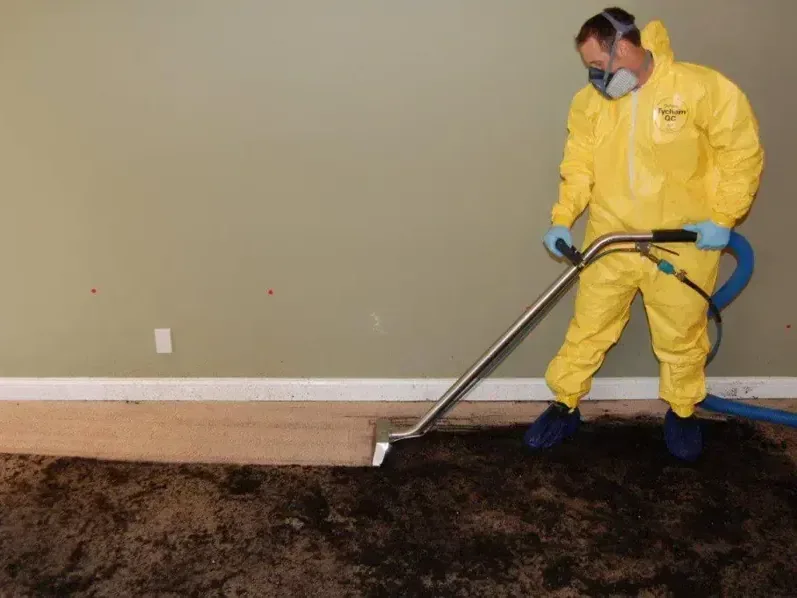 Sewage Backup CleanupSewage backups are Category 3 losses, so contaminated materials are removed and the area is cleaned and dried.See this service
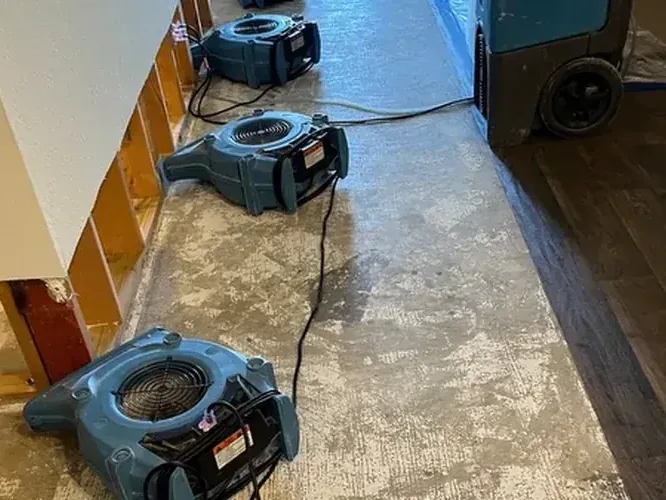 Structural Drying and DehumidificationDehumidifiers and air movers pull moisture out of framing, subfloor and drywall after the standing water is gone.See this service
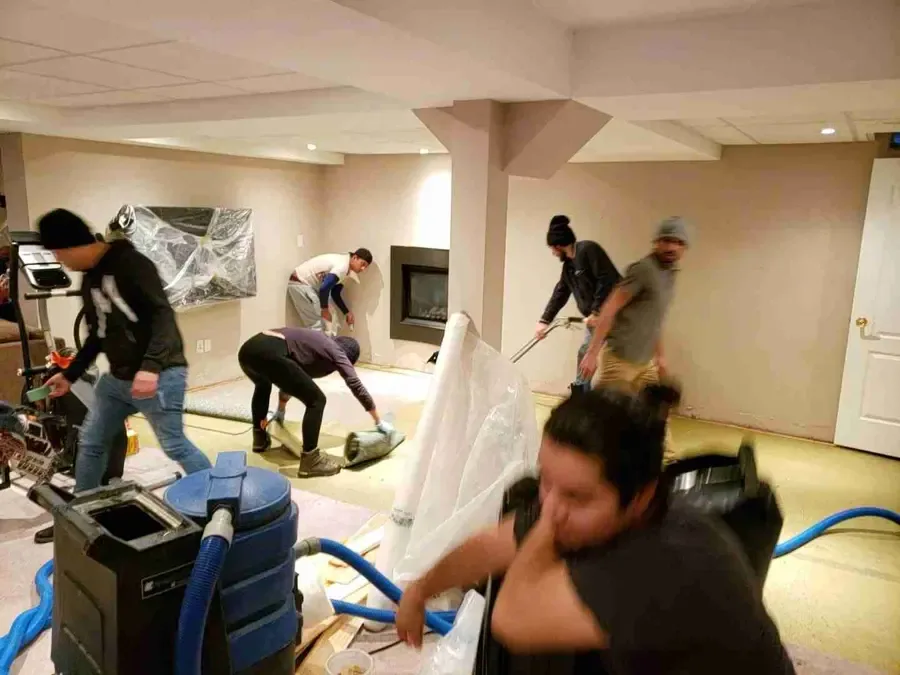 Commercial Water DamageShops, offices and production space need quick water removal and drying so the business can reopen sooner.See this service
A standard drying process, step by step
Each job moves through four stages in the same order, so a homeowner or property manager knows what comes next and an adjuster can follow the work from the first photo to the final reading.
- 1
Inspect and map
A walkthrough with a moisture meter and thermal camera maps how widely the water spread, behind walls and under floors.
- 2
Extract and remove
Pumps and extractors take out standing water, then saturated carpet pad and ruined drywall are cut out and bagged.
- 3
Dry with equipment
Air movers and dehumidifiers run on a set pattern while meters are checked each visit to confirm moisture is falling.
- 4
Verify and report
Final readings are compared with dry reference points, and the notes and photos go to the owner for the insurance file.
The equipment a measured dry-out runs on
- Truck-mounted extraction units and portable extractors
- LGR dehumidifiers, with desiccants for dense Class 4 materials
- Air movers set to each room's evaporation load
- Thermal imaging cameras and pinless moisture meters
What sets the crew apart on a wet job
Water only focus
Extraction, drying and sewage cleanup are the whole job, which keeps equipment and training pointed at one kind of loss.
Moisture readings logged
Meter readings are taken at the start and at each visit, so drying progress shows in numbers rather than guesses.
Plain written estimates
Scope and price come in writing after the walkthrough, with the reasoning for each item laid out for the owner.
Claim ready records
Photos, moisture logs and equipment notes are kept together so an adjuster can follow what happened and why.
What water damage cleanup costs here
Most water damage cleanup in town falls between about $1,200 and $20,000 or more, and the biggest swing is the water category and how many rooms are wet. A walkthrough with meter readings turns that range into a firm written price for the job.
Single room or hallway
- One wet room, clean water source
- Extraction and a short drying run
- Carpet pad or baseboards may go
Several rooms or lower level
- Water under walls and floors
- Wet drywall cut out
- Multiple drying visits
Category 3 or flood runoff
- Contaminated water or sewage
- Porous materials discarded
- Sanitizing before drying
Ranges are typical, not a quote. The final price depends on the water category, the wet materials, and how long the water sat before cleanup.
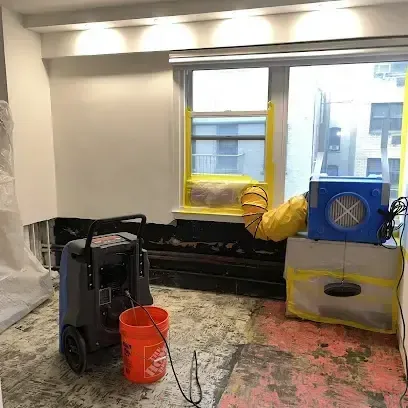
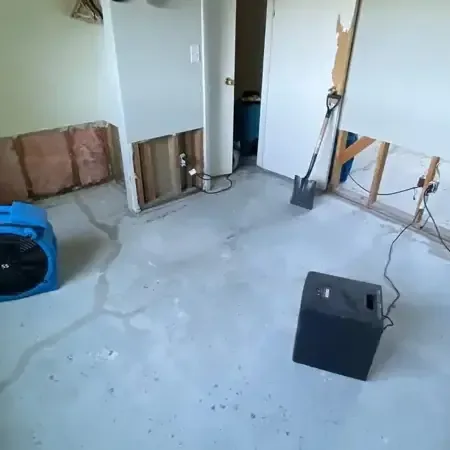
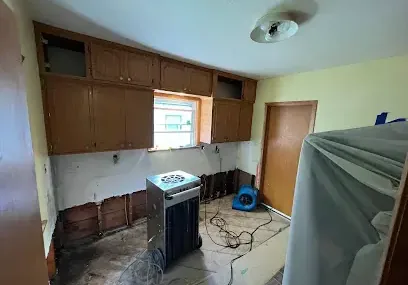
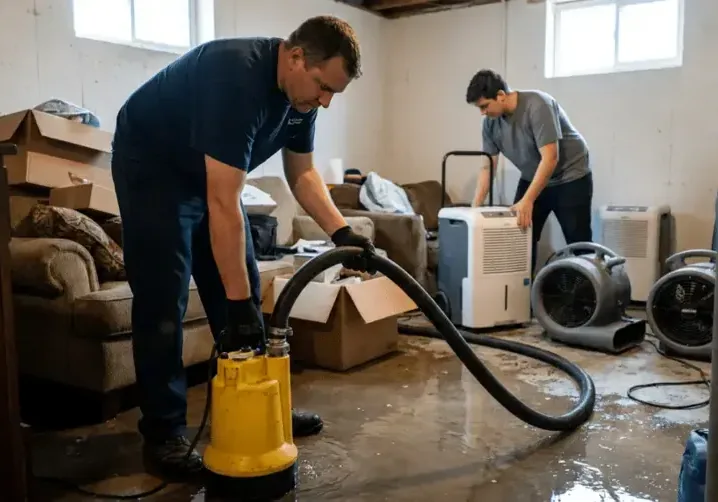
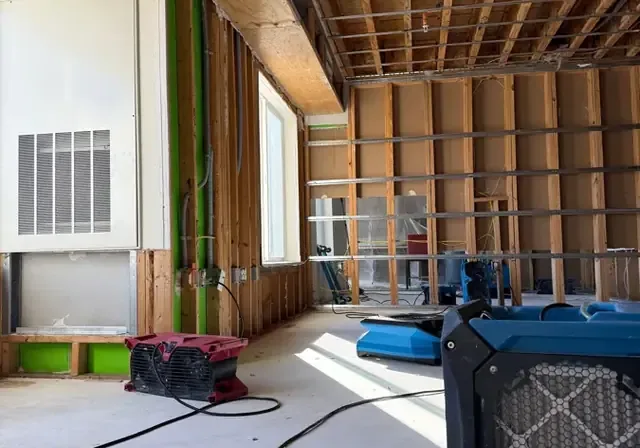
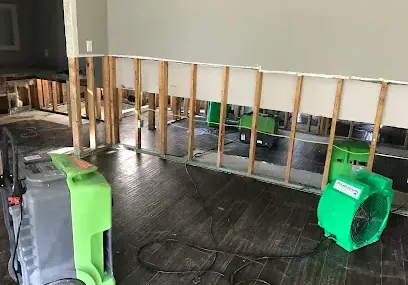
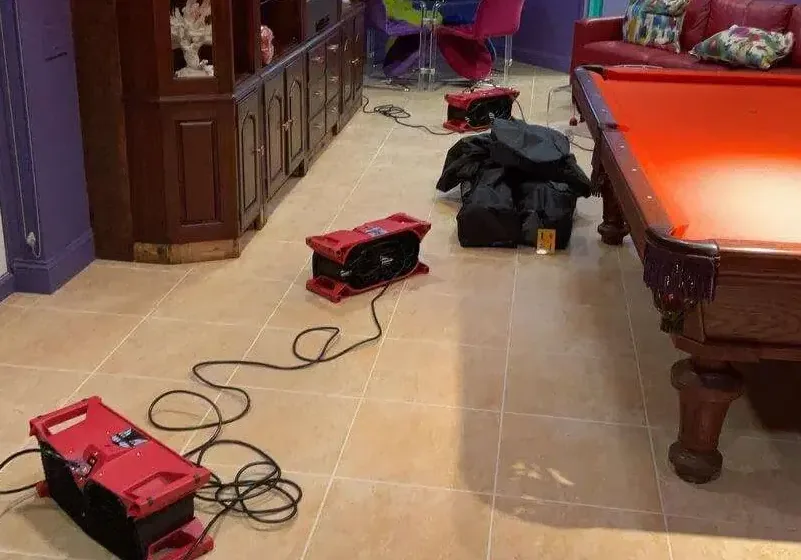
Photos of typical drying and cleanup work
Documenting the loss for a claim
Adjusters judge a water claim on proof of what happened, how wide the damage runs and what drying was needed. Clear records make that assessment simpler.
Filing the claim as the owner
Owners can open the claim with their own insurer at any point, and the restoration crew can supply the photos, readings and scope on request.
Coverage depends on the policy and the cause of the water, so the adjuster, not the contractor, decides what is paid, which is why documentation starts on the first visit.
- Photos and video of the damage before cleanup
- The date, time and cause of the loss
- Moisture readings taken at each visit
- A written list of damaged belongings
- The written scope and equipment notes
Water damage cleanup across the city and its neighborhoods
Main corridors and areas
Nearby towns
Getting a crew to a wet home or business
Crews respond to homes and businesses throughout the city, including the eastern part that extends into western Weld County.
Call now, any hour, and a dispatcher records the address, the source of the water and the rooms affected before scheduling the first visit.
(888) 532-8620Send the address, get a crew
What the local record shows about heavy rain
St. Vrain Creek runs just south of the city center, and the area has seen both the September 2013 flood and a hard August 2014 storm. Heavy rain is a real planning concern here.
- Storm runoff at entries Heavy rain can push runoff against doors and window wells, and that water arrives with silt and debris that must be cleaned out as well as dried.
- The 2013 benchmark storm Local news coverage refers to the September 2013 flooding in town as the benchmark storm, and the city's Water page carries a Ten Years After the Flood recovery story.
- A mapped floodplain The city maps a 100-Year Floodplain and says land inside it is at risk, so owners can look up a property and read up on flood insurance requirements.
- Roofs and wall gaps Short, heavy storms test roofs, flashing and gutters, and a small opening can soak insulation and ceilings long before a stain shows.
- Sewer backups at the property A sewage backup is a health hazard, not just a mess, so the cleanup treats it as contaminated from the start and removes porous materials.
Three common water problems and where they lead
Pipes that split or burst
Cold snaps and worn fittings can open a pipe inside a wall, and the water spreads through cavities before anyone sees a stain.
Burst pipe cleanupLeaks from appliances
Washers, dishwashers and refrigerators leak slowly at hoses and fittings, so floors, cabinets and the ceiling below can stay wet unnoticed.
Appliance leak cleanupSewer and drain backups
A backed up drain sends contaminated water into living space, which turns an ordinary cleanup into a sanitizing job with removal of porous materials.
Sewage backup cleanupWater damage questions and answers
How fast does water damage spread?
Water moves into drywall, insulation and flooring right away and keeps wicking upward. The 24 to 48 hour window matters most, because mold can begin to grow if materials stay wet that long.
Who handles a water main break or sewer backup?
Suspected main breaks, very low pressure, no water service and sewer backups in a home or business are reported to the city's water utilities on weekdays from 8 am to 5 pm. After hours, the report goes to the city's public safety dispatch.
Does homeowners insurance cover water damage?
Coverage depends on the policy and on what caused the water. A sudden burst pipe and a slow leak are usually judged differently, so the adjuster makes the call and good records help.
What does the cleanup process include?
A moisture survey comes first, then extraction, removal of wet materials that cannot be saved, and drying with air movers and dehumidifiers. Meters confirm the structure is dry before the job closes.
Can carpet and drywall be saved?
Clean water caught early often lets carpet and drywall stay, since they can be dried in place. Sewage or contaminated runoff changes that, because porous materials touched by it are normally removed.
What should be photographed before cleanup?
Photos and video should cover the source, the standing water, each affected room, damaged belongings and any visible staining. Dated images help the adjuster tie the damage to the date of the loss.
Does storm runoff count as flood damage?
Rain through a roof and runoff entering at ground level are not always the same loss to an insurer, so the claim should describe how the water got in. Flood insurance is a separate policy from standard homeowners coverage.
Can a property be checked against the flood map?
Yes. The city offers a way to check whether a home sits in the mapped floodplain, along with flood insurance requirements and options and flood preparation steps. It is worth checking before the next storm.
Do commercial losses follow the same process?
The steps are the same, but scale and scheduling differ. Manufacturers, offices, shops and restaurants all need drying plans that limit downtime, and a walkthrough sets the sequence by area.
How is the price of cleanup set?
Price follows the water category, the number of rooms and materials affected and the drying equipment needed. A walkthrough with meter readings comes before any written estimate, so the number reflects the real loss.
Wet floors and walls keep getting worse, so call now
A dispatcher can book a walkthrough, explain the next steps and arrange extraction and drying equipment for the property.
(888) 532-8620Call now about the water