Flash Flood Cleanup in Frederick, CO
Floodwater leaves silt and contamination behind, so the crew in Frederick removes mud and wet porous materials first, extracts what water remains and then dries the structure until readings match dry reference levels.
(888) 532-8620Call about flood water in the house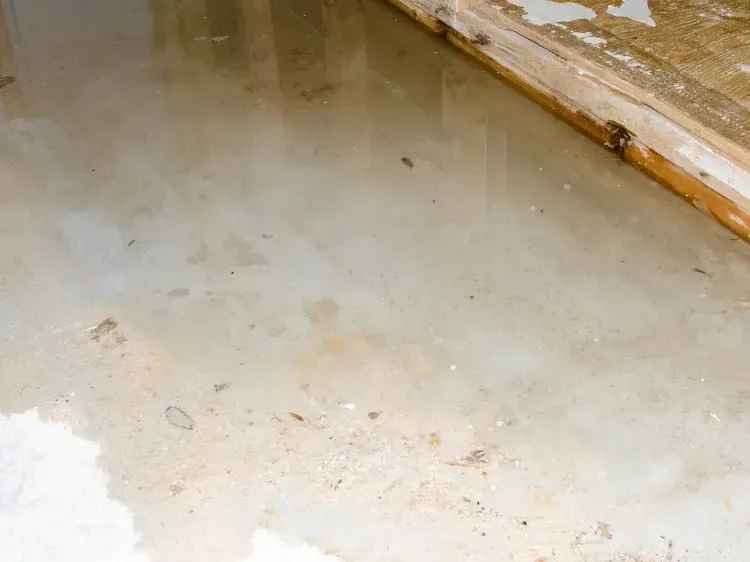
First steps for flash flood cleanup
- Make it safePower is cut to wet areas, and the crew puts on protective gear before touching floodwater.
- Remove silt and mudSilt is shoveled and vacuumed out, then soaked carpet and padding are bagged.
- Extract and cleanRemaining water is pulled out and hard surfaces are cleaned and sanitized.
- Dry and verifyEquipment runs until readings in framing and subfloor reach dry reference levels.
How flash flood cleanup is handled, step by step
- 1
Call
Describe how the water entered and how deep it got.
- 2
Clear
Silt, mud and soaked materials are removed.
- 3
Clean
Surfaces are cleaned and the water is extracted.
- 4
Dry
Equipment runs until readings match.
What does flash flood cleanup cost in Frederick, CO?
Flood cleanup cost depends on how deep the water stood, how long it stayed and how much porous material it soaked. Shallow runoff at one entry costs less, while deep or long standing floodwater reaches the top of the range.
Shallow runoff at one entry
- Water near one doorway
- Silt cleaned from floors
- Short drying period
Finished lower level flooded
- Carpet and drywall soaked
- Contaminated materials removed
- Longer equipment stay
Deep or long standing floodwater
- Silt through several rooms
- Heavy removal of porous materials
- Cleaning before drying
Ranges are typical, not a quote: the category of water, the square footage, the material class and how fast drying started move the number most. Run the water damage cost calculator for a closer planning range.
What comes out before drying starts
Runoff that enters a house carries soil, debris and bacteria, which is why flood cleanup differs from a clean water leak. The first job is getting silt and soaked porous material out before it dries into the structure.
Mud and silt are shoveled and vacuumed out, then carpet, padding, insulation and low drywall that absorbed the water are removed. Hard surfaces are cleaned and sanitized, because drying alone does not make contaminated material safe.
- Silt and mud come out first so they do not cake onto floors.
- Porous materials that soaked up runoff are bagged and discarded.
- Hard surfaces are cleaned before air movers are set.
Stormwater and the Town
The Town of Frederick provides stormwater services for all residents and commercial businesses, with the fees on the monthly Town utility bill. Water that gets inside a property is a cleanup job for the owner and a crew.
Drying after the cleanup
Once contaminated material is gone, water extraction removes what remains and structural drying dries framing and subfloor. Lower levels that flooded follow the steps in basement flooding cleanup, and any sewage mixed into the water adds the work described in sewage backup cleanup.
Further reading: National Weather Service flood safety and FloodSmart, the National Flood Insurance Program.
Flash flood cleanup across Frederick and nearby towns
The same service nearby: flash flood cleanup in Erie, Longmont, Lafayette.
Flood cleanup covers ZIP 80504, from Evanston and the Interstate 25 corridor through Carbon Valley, with crews sent to the property that reports runoff or standing storm water in the house.
Related water damage services in Frederick
Flash Flood Cleanup questions in Frederick
Is flood water safe to touch?
No. Runoff carries soil, debris and bacteria, so protective gear is worn and porous materials it soaked are removed instead of dried.
Why remove carpet and padding after a flood?
Porous materials soak up contaminated water and hold it, and drying alone cannot make them safe, so they are bagged and discarded.
Who provides stormwater service in town?
The Town of Frederick provides stormwater services for all residents and commercial businesses, and the fees appear on the monthly Town utility bill.
Does the structure still need drying afterward?
Yes. Once contaminated material is gone, framing, subfloor and concrete still hold moisture, so air movers and dehumidifiers run until readings match dry levels.
Can the cleanup wait until the water drains away?
It should not wait. Silt and soaked material start to break down and smell, and mold can start in 24 to 48 hours, so removal begins once it is safe.
After the runoff
Properties with floodwater inside can call any hour, and the crew starts with silt removal and extraction.
(888) 532-8620Call about the floodwater