Water Extraction in Broomfield, CO
Standing water in carpet, flooring or a lower level is pumped and wanded out first, before it travels further into padding and the bottoms of walls. One call starts the extraction plan and the drying setup.
(888) 532-8620Call about standing water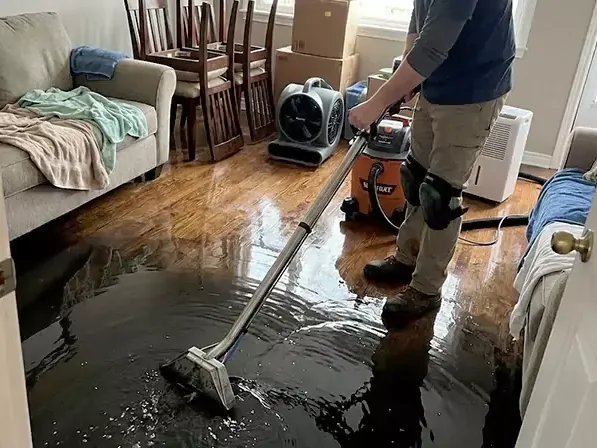
First steps for water extraction and removal
- Assess the waterThe crew checks depth, the source and whether the water is clean or from a drain.
- Extract and pumpPumps clear the depth, then wands pull water from carpet, pad and hard floors, with the pad cut out where it cannot be saved.
- Map what is wetMoisture meters and thermal imaging check walls and subfloor that look dry.
- Hand off to dryingAir movers and dehumidifiers go in, and readings are logged each visit.
How water extraction and removal is handled, step by step
- 1
Call
Describe the water, where it came from and which rooms are wet.
- 2
Scope
A written scope and price range are shared before heavy work begins.
- 3
Extraction
Pumps and wands remove the water and any ruined padding.
- 4
Drying
Dehumidifiers and air movers run until the readings reach target.
What does water extraction and removal cost in Broomfield, CO?
Water extraction usually runs from $1,200 to $20,000 or more. A single wet room is at the low end, a full lower level sits in the middle, and flood or drain water pushes a job to the top range.
One room or hallway
- Clean water caught early
- Carpet pad removed and bagged
- One pass with extraction wands
Several rooms or a lower level
- Pumps plus wands on every floor
- Pad and baseboard removal
- Moisture mapping of wet walls
Drain or flood water
- Category 3 water extraction
- Contaminated materials removed
- Disinfecting after the pumping
Ranges are typical, not a quote: the category of water, the square footage, the material class and how fast drying started move the number most. Run the water damage cost calculator for a closer planning range.
Leaks inside, failures outside
Extraction is the first job on almost every water loss. Pumps handle depth, wands handle what is left in carpet and on hard floors, and the sooner the water is out, the less drying the structure needs afterward.
Water does not always start inside the house. A Denver7 report described a Broomfield main break at Sheridan Boulevard and East 9th Avenue that buckled and collapsed a section of street, so extraction can follow a utility failure as well as a burst pipe or overflowing fixture.
- Submersible pumps clear deeper water from a lower level or garage.
- Extraction wands pull water out of carpet and pad, and off hard flooring.
- Moisture meters confirm what is still wet once the standing water is gone.
What happens to wet carpet and pad
Clean water in carpet can sometimes be extracted and dried in place, but the pad underneath is usually cut out and discarded because it holds water like a sponge. Water that came from a drain or a flooded yard is different, and the carpet goes too.
When pumping gives way to drying
Once standing water is out, baseboards, drywall bottoms and subfloor still hold moisture. The crew then sets air movers and dehumidifiers under structural drying, and a basement flooding cleanup follows the same sequence. Readings, not the feel of the surface, decide when a room is done.
Further reading: Ready.gov flood safety and Colorado Division of Insurance.
Water extraction and removal across Broomfield and nearby towns
The same service nearby: water extraction and removal in Erie, Lafayette, Louisville.
Extraction crews work across the city and county, ZIP codes 80020, 80021 and 80023, from Broomfield Heights and Depot Hill to the Interlocken office park, along US 36, US 287 and Interstate 25.
Related water damage services in Broomfield
Water Extraction and Removal questions in Broomfield
What is the difference between extraction and drying?
Extraction removes the liquid water, which is the bulk of the early work. Drying removes the moisture held inside wood, drywall and concrete, and it takes days of airflow and dehumidifiers.
Can carpet be kept after extraction?
Clean water can often be extracted from carpet and dried in place. The pad is usually removed, and carpet that touched drain or flood water is typically replaced.
Does extraction work on wet hardwood floors?
Wands can pull surface water off hardwood and out of seams, but boards that have cupped or lifted may need to be dried over several days or replaced. Moisture readings show which.
Is pumping enough once the standing water is gone?
No. Walls, subfloor and framing stay wet after the visible water is removed, so drying follows extraction. Skipping that step is how damp drywall and swollen trim end up behind finished walls.
What should be moved before the crew starts?
Small furniture, rugs, electronics and anything on the floor should be lifted to dry ground if it is safe. Heavy furniture can stay, and the crew blocks or lifts it as needed.
Pull the water out first
Every extra day in wet padding and baseboard adds drying time. A call now starts the scope and the equipment plan.
(888) 532-8620Start extraction now