Water Extraction in Lafayette, Colorado
Standing water spreads the longer it sits, wicking into baseboards, subfloor and lower drywall. Pumps and extraction wands pull it off the floor first, so drying starts on material that has not soaked through yet.
(888) 532-8620Get the water pumped out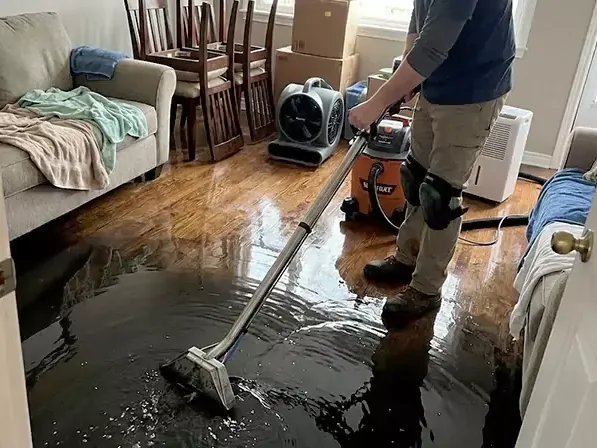
First steps for water extraction and removal
- Stop the sourceClose the supply valve or stop the flow, then keep everyone off wet floors and away from outlets.
- Photograph everythingCapture the high-water mark, wet furniture and damaged finishes before anything is moved.
- Call for extractionPumps and wands pull out standing water while meters mark where wet material remains.
- Hand off to dryingAir movers and dehumidifiers take over once surface water is gone.
How water extraction and removal is handled, step by step
- 1
Meter the room
Moisture readings map every wet zone before any equipment is placed.
- 2
Extract
Pumps and wands remove standing water from each surface.
- 3
Document
Photos and readings are logged for the insurance file.
- 4
Dry
Air movers and dehumidifiers run until readings fall.
What does water extraction and removal cost in Lafayette, CO?
Extraction in Lafayette usually runs from $1,200 to $20,000+, set by the water category, the square footage and how many floor layers are wet. Clean supply water sits near the low end, and flood runoff pushes toward the top.
One room or a hallway
- Pump-out and wand pass
- Moisture mapping of the floor
- Equipment set for drying
Several rooms or one whole floor
- Deeper water and longer wand work
- Baseboard and wall checks
- Daily meter readings
Contaminated or flood runoff water
- Protective gear for the crew
- Porous materials removed
- Antimicrobial treatment
Ranges are typical, not a quote: the category of water, the square footage, the material class and how fast drying started move the number most. Run the water damage cost calculator for a closer planning range.
What the crew does first
Every water loss starts with the same problem: the water has to leave before anything can dry. Most homes here were built between 1970 and 2000, with an older Old Town pocket that predates 1950, and extraction adapts to whichever floor system is underfoot.
Deep water goes out with portable pumps. Extraction wands then work across carpet, pad, hardwood seams and tile until the surface stops releasing water, and moisture meters show how far it traveled under trim and into the lower wall.
- Pump-outs clear water that is deeper than a wand can handle.
- Wand passes draw water from carpet, pad and plank seams.
- Meter checks find moisture hiding behind trim and under flooring.
Why home age changes the approach
About 70 percent of Lafayette homes were built between 1970 and 2000, while more than 600 date to before 1950. Layered modern flooring and older plank floors absorb and release water differently, so the crew changes where it extracts and what it lifts.
How soon extraction matters
Water that sits overnight climbs into drywall and soaks subfloor, and the 24 to 48 hour window for mold growth starts as soon as materials stay wet. Extraction alone never finishes the job, so structural drying follows. If the water came from a drain, see sewage backup cleanup.
Further reading: Ready.gov flood safety and Colorado Division of Insurance.
Water extraction and removal across Lafayette and nearby towns
The same service nearby: water extraction and removal in Erie, Louisville, Broomfield.
Extraction visits cover 80026, including Old Town and the streets along Public Road, the Indian Peaks, Avalon Meadows and Blue Sage neighborhoods, and homes near US Highway 287, Baseline Road and South Boulder Road.
Related water damage services in Lafayette
Water Extraction and Removal questions in Lafayette
Is a shop vacuum enough for standing water?
A household vacuum clears a puddle but cannot lift water from pad, subfloor or the lower few inches of a wall. Wands and pumps remove far more, which is why they come first.
Does wet hardwood always come out?
Not always. Water caught early and pulled from the seams can let boards dry in place, while cupped or buckled planks that stay wet may need replacing once readings come in.
Does insurance cover extraction?
Sudden losses such as a burst pipe or failed appliance are commonly covered, while slow seepage often is not. Photos and a written scope support the claim, and the adjuster decides coverage.
Are Old Town houses handled differently?
Older homes there can have plank floors and plaster that hold water in different ways, so the crew checks the material before choosing wand passes and drying equipment.
What if the water is not clean?
Water from a drain, toilet or flood runoff is Category 3 and calls for protective gear and removal of porous material. Sewage work follows its own steps, laid out on the sewage backup page.
Get standing water out
Describe the room, the water source and the depth, and the crew will plan extraction and drying around it. Call now, any hour.
(888) 532-8620Start the extraction call