Appliance Leak Water Damage in Longmont
Washers, dishwashers and refrigerators leak at hoses and fittings, often quietly. Cleanup uses meters to find the wet floor, cabinet base and ceiling below, then removes what is ruined and dries the rest.
(888) 532-8620Book appliance leak drying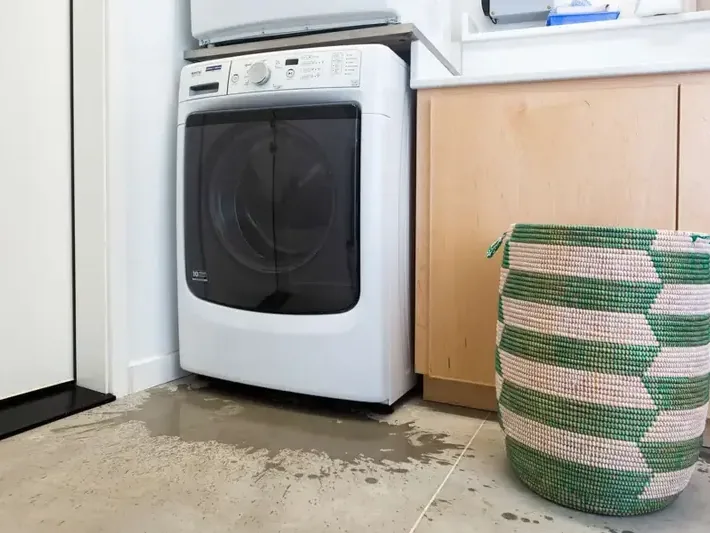
First steps for appliance and supply line leaks
- Shut off the waterClose the valve to the appliance and unplug it if the cord is dry.
- Check around itLook behind and under the appliance for wet floor, soft spots and stains.
- Photograph the damageCapture the leak source, the floor and the ceiling below.
- Call for dryingCall now, any hour, and say which appliance leaked.
How appliance and supply line leaks is handled, step by step
- 1
Map the moisture
Meters check floors, cabinets and ceilings.
- 2
Open what is soaked
Toe kicks and soft drywall come out.
- 3
Dry in place
Air movers and dehumidifiers run.
- 4
Confirm dry
Final readings are logged.
What does appliance and supply line leaks cost in Longmont, CO?
Appliance and supply hose leaks usually run about $1,000 to $18,000 or more, depending on how long the leak ran and whether cabinets, subfloor and the ceiling below were reached. A written estimate follows the survey.
Kitchen or laundry floor
- One floor area wet
- Short extraction
- Dried in place
Cabinets, subfloor and ceiling below
- Cabinet bases opened
- Subfloor dried
- Ceiling below checked
Slow leak behind cabinets
- Long running moisture
- Cabinets and drywall removed
- Extended drying
Ranges are typical, not a quote: the category of water, the square footage, the material class and how fast drying started move the number most. Run the water damage cost calculator for a closer planning range.
Where the water hides
Appliance leaks are usually slow. A cracked hose behind a washer or a loose fitting under a dishwasher can wet a floor for weeks, and the damage shows up as a soft floor, a stained ceiling below or a musty smell.
Water from a leaking appliance travels under cabinets, along the subfloor and down through floor gaps. Moisture mapping with a meter and a thermal camera shows the real wet area, which is often larger than the visible puddle. Cabinet toe kicks and the back of base cabinets are checked because they trap moisture.
- Cabinet bases swell and delaminate when wet
- Subfloor holds moisture under flooring
- Ceiling below stains when water drops through
What gets dried and what gets removed
Hard floors and cabinet boxes can often be dried in place when the leak is caught early, while swollen particle board, soaked insulation and saturated drywall are removed. The call is made from meter readings, not from looks alone. Structural drying finishes the job.
Slow leak claims
Insurers often treat a slow, ongoing leak differently from a sudden one, so the date the leak was found and the age of the hose matter. Photos and moisture logs support the claim, and the adjuster makes the final decision. A failed tank is covered under water heater leak cleanup.
Further reading: EPA WaterSense leak checks and Colorado Division of Insurance.
Appliance and supply line leaks across Longmont and nearby towns
The same service nearby: appliance and supply line leaks in Erie, Frederick, Lafayette.
Appliance leak jobs come from kitchens, laundry rooms and utility spaces in ZIP codes 80501, 80503 and 80504, including homes on both sides of US Highway 287 and businesses along Main Street.
Related water damage services in Longmont
Appliance and Supply Line Leaks questions in Longmont
Which appliances leak most often?
Washing machines, dishwashers, refrigerators with ice makers and sinks cause most of these losses, usually at a hose, a fitting or a drain connection.
How can a hidden leak be found?
A moisture meter and a thermal camera show wet floors, cabinet bases and ceilings without opening them. Soft flooring and a musty smell are signs a leak has run a while.
Can cabinets be saved after a leak?
Solid wood cabinets often dry in place. Particle board swells and loses strength when soaked, so those boxes are usually replaced.
Is a slow appliance leak covered by insurance?
Policies often handle a sudden failure differently from a leak that ran for a long time. The adjuster looks at the cause and dates, so record when the leak was found.
Does the ceiling below need to come down?
Only if the drywall or insulation is saturated or sagging. A moisture survey decides, and a small stain can sometimes be dried through access holes.
Leak behind the washer?
A dispatcher notes the appliance, the floor and the rooms below, then schedules a meter survey and drying equipment.
(888) 532-8620Dry out the leaking floor