Water Extraction and Removal in Longmont
Standing water is pumped and extracted from floors, carpet and padding first, before it can wick into drywall and framing. Moisture readings then show what else must come out. Crews work on homes and businesses across the city.
(888) 532-8620Request extraction for a wet floor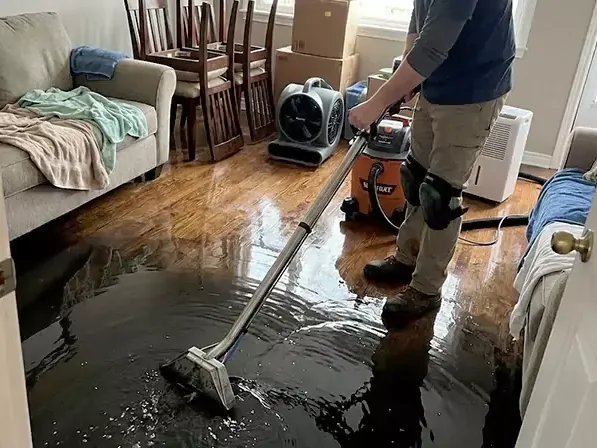
First steps for water extraction and removal
- Shut off the sourceClose the valve or turn off the appliance feeding the leak, if that can be done safely.
- Move valuables upLift small furniture, electronics and papers onto dry surfaces so nothing wicks water from the floor.
- Photograph the waterTake photos and short video of the standing water and affected rooms before anything is pumped out.
- Call for extractionCall now, any hour, and describe the water depth, the source and the rooms involved.
How water extraction and removal is handled, step by step
- 1
Survey the water
Meters and a thermal camera trace the moisture.
- 2
Extract the water
Pumps and wands clear standing water from every surface.
- 3
Pull wet materials
Soaked pad and baseboards come out when drying in place will not work.
- 4
Start the drying
Air movers and dehumidifiers take over, checked by readings.
What does water extraction and removal cost in Longmont, CO?
Extraction alone usually runs from about $1,200 for one room up to $20,000 or more when sewage or flood runoff is involved. The water category and the number of rooms set the range, and the walkthrough sets the exact figure.
Single room or hallway
- One wet room only
- Clean water source
- Pad and baseboards removed
Several rooms or a full lower level
- Water under the walls
- Wet drywall cut out
- Longer drying equipment runs
Category 3 or flood runoff
- Contaminated water involved
- Porous materials discarded
- Sanitizing before drying
Ranges are typical, not a quote: the category of water, the square footage, the material class and how fast drying started move the number most. Run the water damage cost calculator for a closer planning range.
How the water comes out
Standing water is the first job on any wet property, because each hour it sits pushes moisture deeper into carpet pad, baseboards and the base of the walls. Extraction here follows the same order whether a burst pipe, a storm or an appliance caused the flood.
Submersible pumps handle deep water, and extraction wands with strong vacuum pull the rest from hard floors and saturated carpet. A thermal camera helps trace water that has traveled under cabinets and along walls, and moisture meters show how much remains in the materials underneath.
- Pumps clear deep standing water from floors and low areas
- Wands lift water from hard floors and carpet
- Meters confirm what the surface hides
What happens to wet materials
Carpet pad rarely survives a soaking and is usually removed, while carpet itself may be lifted and dried when the water was clean. Baseboards, the bottom of drywall and soaked insulation are cut out when drying in place would take too long or leave moisture trapped. Structural drying takes over once the standing water is gone.
Reporting a main break or backup
Flooding that may come from a water main, along with no water service or a sewer backup, is reported to Longmont Water Utilities on weekdays from 8 am to 5 pm, and to Longmont Public Safety Dispatch after hours. Extraction handles the water already inside the property, and a sewage backup is treated as its own contaminated loss.
Further reading: Ready.gov flood safety and Colorado Division of Insurance.
Water extraction and removal across Longmont and nearby towns
The same service nearby: water extraction and removal in Erie, Frederick, Lafayette.
Water extraction covers ZIP codes 80501, 80503 and 80504 and the streets around Main Street, US Highway 287 and State Highway 119, from Downtown Longmont to the eastern edge of the city.
Related water damage services in Longmont
Water Extraction and Removal questions in Longmont
What is water extraction?
It is the removal of standing water and water held in carpet, padding and flooring, using pumps and vacuum wands, before drying equipment goes in.
How is extraction different from drying?
Extraction takes out the liquid water that can be pumped or vacuumed. Drying then removes the moisture held inside wood, drywall and concrete, which only air movers and dehumidifiers can pull out.
Can carpet be saved after a flood?
Carpet soaked by clean water can often be extracted and dried in place, but the pad underneath is usually removed. Carpet that sat in sewage or storm runoff is normally discarded.
Who handles a suspected water main break?
The city's water utilities receive those reports on weekdays from 8 am to 5 pm, and public safety dispatch receives them after hours. Extraction covers the water that has already entered the property.
What should be moved before the crew arrives?
Small furniture, electronics, rugs and papers should go to a dry spot if it is safe to carry them. Heavy furniture can stay, and the crew will lift it onto blocks.
Does extraction work on a commercial floor?
Yes. Truck mounted or portable units clear large floors in shops, offices and warehouses, and the crew schedules the work by area so the rest of the building can keep operating.
Water on the floor right now?
A dispatcher records the source, the depth and the rooms affected, then schedules a crew to pump and extract.
(888) 532-8620Call for pumps now