Sewage Backup Cleanup in Longmont
A sewage backup is contaminated water, not an ordinary leak. Crews wear protective gear, remove the waste water, discard porous materials it touched and sanitize and dry the area before anyone moves back in.
(888) 532-8620Get the backup cleaned safely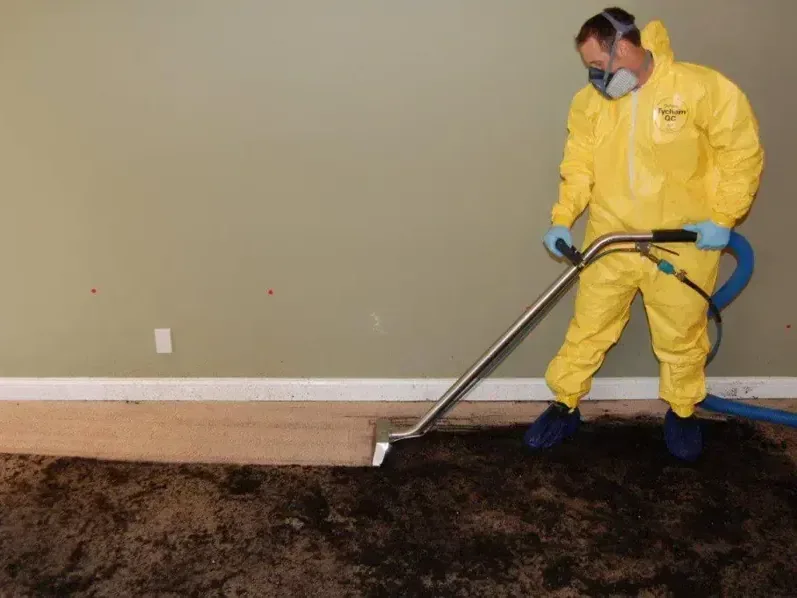
First steps for sewage backup cleanup
- Keep everyone outKeep people and pets out of the affected rooms.
- Do not use drainsAvoid sinks and toilets so no more waste water enters.
- Photograph from a distanceCapture the water and the affected rooms without stepping in.
- Call for cleanupCall now, any hour, and say what backed up.
How sewage backup cleanup is handled, step by step
- 1
Extract and contain
Contaminated water is removed first.
- 2
Discard porous items
Carpet, pad and soft drywall go.
- 3
Sanitize surfaces
Hard surfaces are treated.
- 4
Dry and verify
Meters confirm dry framing.
What does sewage backup cleanup cost in Longmont, CO?
Sewage backup cleanup usually runs about $2,000 to $35,000 or more, depending on how much water came up, how many rooms it reached and how long it sat. The written estimate follows a protected walkthrough of every room.
Small floor drain backup
- One room affected
- Contained cleanup
- Sanitizing and drying
Finished lower level backup
- Carpet and pad discarded
- Wet drywall removed
- Extended drying
Large or long standing backup
- Wide contamination
- Extensive removal
- Long drying time
Ranges are typical, not a quote: the category of water, the square footage, the material class and how fast drying started move the number most. Run the water damage cost calculator for a closer planning range.
Who to report a backup to
Sewage carries bacteria and viruses, so a backup is treated as a health matter from the start. The cleanup removes the waste water, then goes further than water damage work by discarding what it soaked and sanitizing what remains.
Sewer backups in a home or business are reported to Longmont Water Utilities on weekdays from 8 am to 5 pm, and to Longmont Public Safety Dispatch after hours. The city also has a sewer service page that covers how to prevent and report problems.
- Protective gear keeps crews safe from contact
- Removal takes out carpet, pad and soft drywall
- Sanitizing treats the surfaces left behind
Why porous materials go
Carpet, pad, insulation and drywall soak up sewage and cannot be reliably cleaned, so they are cut out and bagged. Hard surfaces such as tile, concrete and sealed wood can be washed, sanitized and dried. Stay out of the affected rooms until that work is done.
Drying after sanitizing
Once the contaminated materials are gone, structural drying brings the framing and floors back to normal readings. Sewage that started with a flood outside is covered under flash flood cleanup.
Further reading: Ready.gov flood safety and Colorado Division of Insurance.
Sewage backup cleanup across Longmont and nearby towns
The same service nearby: sewage backup cleanup in Erie, Frederick, Lafayette.
Sewage backups are cleaned up in homes and businesses throughout 80501, 80503 and 80504, including properties along Main Street and State Highway 119 and out to the east side of the city.
Related water damage services in Longmont
Sewage Backup Cleanup questions in Longmont
Is a sewage backup dangerous?
Yes. Sewage can carry bacteria, viruses and parasites, so contact should be avoided and the cleanup is done with protective gear.
Who should be called about a sewer backup?
Backups are reported to the city's water utilities on weekdays from 8 am to 5 pm, or to public safety dispatch after hours. The cleanup crew handles the contamination inside the property.
What gets thrown away after sewage?
Carpet, pad, insulation, drywall and anything porous that was soaked are discarded. Hard, sealed surfaces and some contents can be cleaned and sanitized.
Does insurance cover sewage backup?
Many homeowners policies cover sewer backup only through an added endorsement, so the policy must be checked. The adjuster decides, and photos and readings support the claim.
Is it safe to stay in the house?
That depends on how far the backup spread. Rooms touched by sewage should be closed off, and cleanup of larger losses may mean staying elsewhere until the work is done.
Sewage in the building?
A dispatcher records what backed up, which rooms are affected and whether the city has been notified, then schedules a protected crew.
(888) 532-8620Longmont backup help