Basement Flooding Cleanup in Longmont
Water in a flooded basement is pumped out, wet carpet, paneling and drywall are removed, and the space is dried until meters read normal. Clean water losses and contaminated floods are handled differently, so the source is identified first.
(888) 532-8620Schedule a flooded basement pump out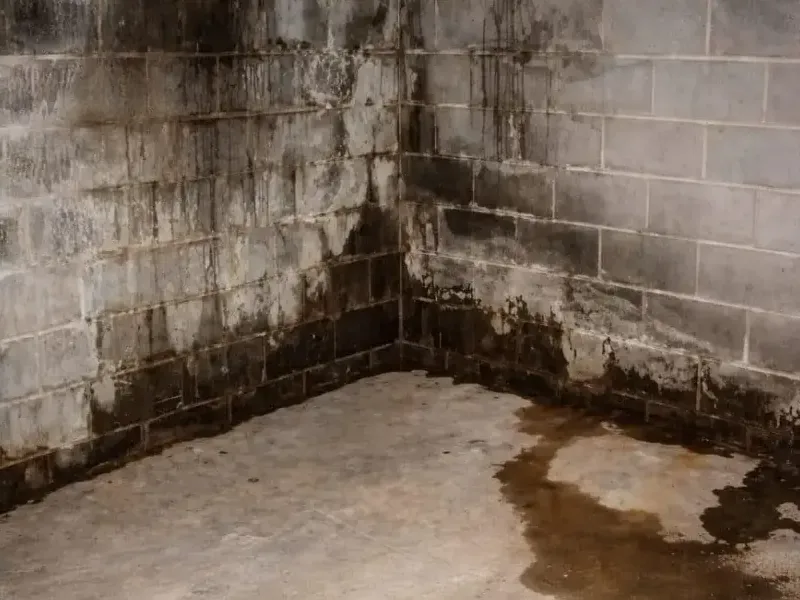
First steps for basement flooding cleanup
- Stay out of deep waterDo not wade in near wet outlets or the panel, because shock is a risk.
- Cut power safelySwitch off the area breaker from a dry spot, or wait for an electrician.
- Check the waterNote whether the water looks clean or carries sewage or runoff, since that changes the plan.
- Call for a pump outCall now, any hour, with the depth and the source.
How basement flooding cleanup is handled, step by step
- 1
Pump out the water
Submersible pumps lower the water in stages.
- 2
Remove wet finishes
Carpet, pad and soaked drywall are cut out and bagged.
- 3
Dry the structure
Air movers and dehumidifiers run until meters read dry.
- 4
Document the loss
Photos and readings are recorded for the insurance claim.
What does basement flooding cleanup cost in Longmont, CO?
Basement flooding cleanup usually runs about $1,500 to $25,000 or more, depending on how finished the space is and whether the water was clean or contaminated. A written estimate follows the walkthrough and the meter readings.
Unfinished lower level, clean water
- Mostly bare floors and walls
- Pump out and a short dry
- Little material removal
Finished lower level
- Carpet, pad and drywall removed
- Contents moved out
- Extended drying
Category 3 lower level flood
- Contaminated water involved
- Porous materials removed
- Sanitizing included
Ranges are typical, not a quote: the category of water, the square footage, the material class and how fast drying started move the number most. Run the water damage cost calculator for a closer planning range.
Pump out in stages
A flooded basement keeps pressing water into walls and flooring for as long as it stands, so pumping is only the first stage. Basement flooding cleanup in Longmont moves from pump out to removal to full drying, with readings at each visit.
Water is lowered in steps rather than all at once, with checks between stages so walls and floors are not stressed. Standing water is also checked for sewage or runoff before anyone walks through it. Once the floor is exposed, wet carpet, pad and the bottom of the drywall are cut out and carried away.
- Pump out lowers water in measured stages
- Removal takes out carpet, pad and wet drywall
- Drying runs until meters read dry
Clean water or contaminated water
The source decides the scope. Clean supply water often lets materials dry in place, while flood runoff and sewage contaminate porous finishes that must be discarded. A sewage backup follows its own cleanup steps. Knowing which category applies also tells the adjuster what the claim involves.
Checking the flood map
The city offers a way to see whether a home sits in the mapped floodplain, along with flood insurance requirements and preparation steps. Cleanup works the same either way, but the lookup helps owners plan for the next storm. Water that spread beyond the lower level is covered under water extraction.
Further reading: FloodSmart, the National Flood Insurance Program and Ready.gov flood safety.
Basement flooding cleanup across Longmont and nearby towns
The same service nearby: basement flooding cleanup in Erie, Frederick, Lafayette.
Calls about flooded lower levels come from 80501, 80503 and 80504 alike, and from properties on both sides of Main Street and State Highway 119 out to the city's eastern limits.
Related water damage services in Longmont
Basement Flooding Cleanup questions in Longmont
How is a flooded basement cleaned up?
Pumps remove the water in stages, wet carpet and drywall come out, and air movers and dehumidifiers dry what remains. Meters confirm the structure is dry before rebuilding starts.
Can a basement be pumped out all at once?
Usually not. Draining too fast can stress walls and floors that are still pressed by wet ground outside, so crews lower the level in steps and check as they go.
Does clean water need different cleanup than sewage?
Yes. Clean water can often be dried in place, while sewage or flood runoff contaminates porous materials such as carpet and drywall, which are removed and discarded.
Can a property be checked against the flood map?
The city offers a lookup for whether a home sits in the mapped floodplain, plus information on flood insurance requirements and options. Cleanup is the same either way.
How soon should drying begin?
As soon as the water is out. Materials left wet for 24 to 48 hours are at risk of mold growth, so drying equipment goes in right after pumping and removal.
Who reports a water main break near the property?
Suspected main breaks and no water service go to the city's water utilities on weekdays, or to dispatch after hours. A flooded lower level is cleaned up the same either way.
Water in the lower level?
A dispatcher notes the depth, the source and the power situation, then schedules pumping and drying equipment.
(888) 532-8620Longmont flooding help