Flash Flood Cleanup in Louisville, CO
Runoff that pushes in at a door, window well or garage carries soil and bacteria with it. Crews extract it, remove what cannot be cleaned and dry the structure, treating the water as contaminated until shown otherwise.
(888) 532-8620Call about storm water inside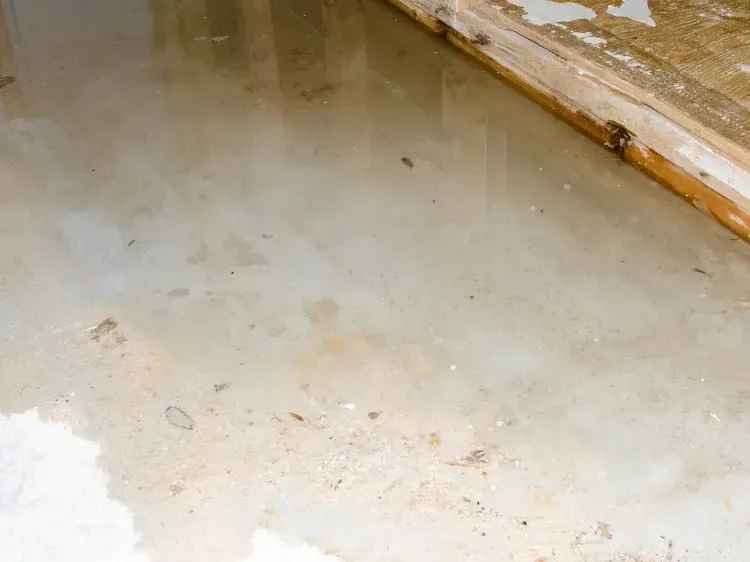
First steps for flash flood cleanup
- Treat it as contaminatedProtective gear is worn and the entry points are photographed before extraction starts.
- Extract the runoffPumps and wands remove the water and the silt it left behind.
- Remove porous materialsSoaked carpet, pad and insulation are bagged and removed.
- Sanitize and drySurfaces are cleaned and treated, then equipment dries the structure to normal readings.
How flash flood cleanup is handled, step by step
- 1
Protect
Gear is worn and entry points are photographed.
- 2
Extract
Runoff and silt are pumped and wanded out.
- 3
Sanitize
Hard surfaces are cleaned and treated, porous ones removed.
- 4
Dry
Equipment runs until framing and floor readings are normal.
What does flash flood cleanup cost in Louisville, CO?
Shallow runoff at one entry usually runs $2,500 to $6,000, a flooded finished basement $6,000 to $18,000, and deep or long-standing flood water $15,000 to $40,000 or more, since contaminated water adds removal and sanitizing.
Shallow runoff at one entry
- One entry and floor area
- Extraction and sanitizing
- Short drying run
Finished basement flooded
- Carpet and pad discarded
- Wall cavities dried
- Contents sorted and logged
Deep or long-standing flood water
- Contaminated water throughout
- Drywall and insulation removed
- Sanitizing and clearance
Ranges are typical, not a quote: the category of water, the square footage, the material class and how fast drying started move the number most. Run the water damage cost calculator for a closer planning range.
Regional context, not a local claim
Runoff that enters a building picks up soil, debris and bacteria on the way, so it cannot be treated like a clean pipe leak. Front Range storms are a real regional hazard, and the response is built around that.
The Colorado Climate Center's historic events include a September 2013 flood and a Denver hailstorm. Both are regional Front Range records and do not describe damage in Louisville, but they explain why storm water cleanup is a reasonable thing to plan for.
- Entry areas Thresholds, garage floors and window wells are extracted and washed down.
- Porous materials Carpet, pad and insulation that soaked up runoff are removed, not saved.
- Hard surfaces Concrete, tile and sealed wood are cleaned, sanitized and dried in place.
Drying after the water is out
Once the runoff is extracted, meters check the walls, flooring and framing near every entry point, since water can wick into drywall above what looks wet. Dehumidifiers and air movers then run until the readings match normal, as in structural drying.
When runoff meets a drain
If storm water overwhelms a floor drain or the sewer connection and brings sewage with it, the job moves to sewage backup cleanup, with protective gear and removal of anything porous that touched the water.
Further reading: National Weather Service flood safety and FloodSmart, the National Flood Insurance Program.
Flash flood cleanup across Louisville and nearby towns
The same service nearby: flash flood cleanup in Erie, Lafayette, Broomfield.
Flood cleanup covers 80027 and 80028, from Old Town and the downtown blocks of Main Street to the commercial stretch of South McCaslin Boulevard and the homes served by US Highway 36.
Related water damage services in Louisville
Flash Flood Cleanup questions in Louisville
Is flash flood water considered contaminated?
Yes. Runoff crosses soil, yards and drains before it reaches the house, so protective gear, removal of porous materials and sanitizing are standard.
Can carpet be saved after storm water?
Carpet and pad that soaked up runoff are removed, because contaminated padding cannot be reliably cleaned. Tile and sealed concrete can be cleaned and dried in place.
What should be done before the crew comes?
Stay out of the water if outlets are submerged, lift valuables, photograph the entry points and how high the water reached, and keep runoff out of dry rooms.
Does flood water need a different kind of drying?
The equipment is the same, but the order changes: contaminated materials come out first, surfaces are sanitized, and then structural drying begins.
Will insurance cover storm water?
Flood and surface water coverage often differs from standard homeowner coverage, so the policy should be read first. The crew documents the water type either way.
Storm water at the door?
Crews extract the runoff, remove what it soaked and sanitize the entry area before drying begins. Call now, any hour.
(888) 532-8620Request a storm water crew